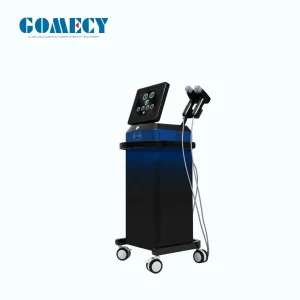
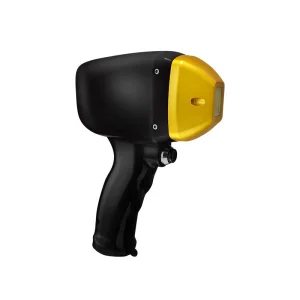
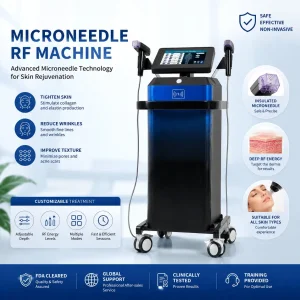
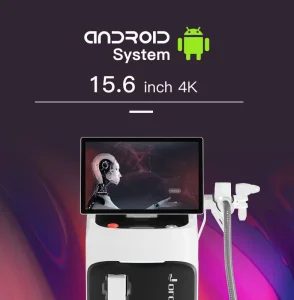
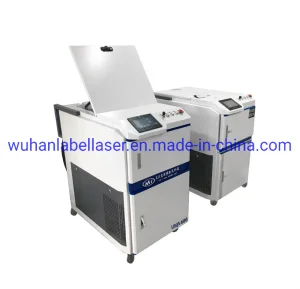
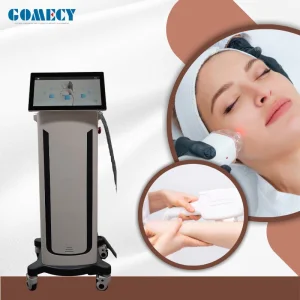
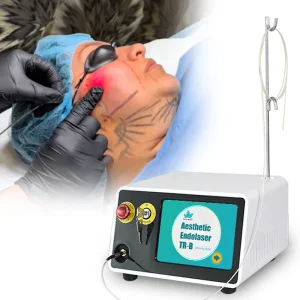
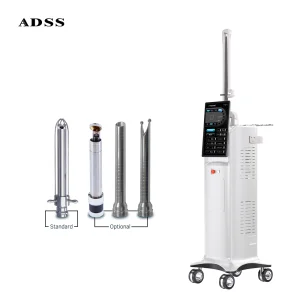
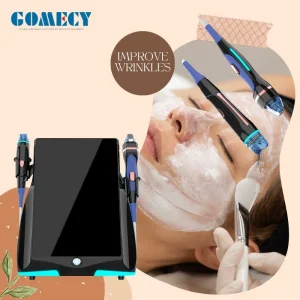
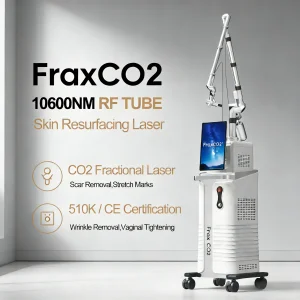
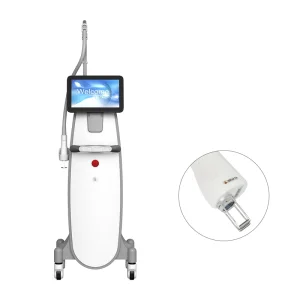
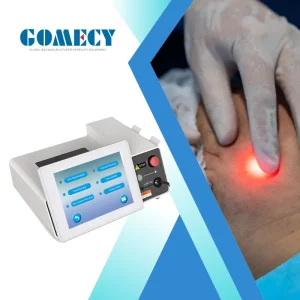
These eight platforms illustrate the practical width of a modern China beauty-equipment portfolio: ablative fractional CO₂ resurfacing, RF lifting, diode hair removal, endolaser facial tightening, clinical cooling protection and RF microneedling. Each product links to its original product page.
A semantic read of the query, backed by factory-side realities, procurement logic and E-E-A-T signals.
Searching for China laser anti-aging treatment factories and suppliers is rarely a casual research task. It usually happens when a clinic owner, distributor or private-label brand is already comparing platforms, validating a quotation or planning a three-year equipment roadmap. The intent behind the query is therefore mixed: exploratory on the technology side, commercial on the supplier side, and transactional once samples, certifications and OEM terms are discussed.
The most useful response is not a list of factories alone. It is a decision framework that explains what a buyer should verify, how the global market is moving, where localized demand differs, and how a realistic technology roadmap should inform sourcing. This guide applies that framework to the Monae Beauty product family while preserving the original product references and manufacturing information supplied by the company.
For E-E-A-T purposes, the distinction matters. Experience is represented by more than a decade of manufacturing in the medical aesthetic sector. Expertise is represented by the breadth of platforms shown below, from fractional CO₂ and thulium systems to RF microneedling and endolaser technology. Authoritativeness and trust are demonstrated through quality-control documentation, OEM/ODM transparency, production traceability and the ability to support clinics after delivery.
Why the category has moved from niche device purchase to industrialized beauty infrastructure.
The global commercial landscape for laser anti-aging has changed substantially. In mature markets, energy-based skin rejuvenation is no longer positioned only as a premium, occasional treatment. It has become part of the routine service mix in dermatology clinics, medical spas and chain beauty institutions. In emerging markets, the same platforms are often used to build differentiated service menus where non-surgical lifting, scar revision, pigmentation correction and hair removal can be delivered with one equipment ecosystem.
From a manufacturing perspective, China’s Pearl River Delta — including Foshan, Guangzhou and Shenzhen — remains a dense cluster for optical components, power supplies, touchscreen interfaces, sheet-metal housings, cooling modules, packaging and export logistics. That density creates real advantages in lead time, component availability and OEM flexibility. It also raises the bar for buyer diligence: not every supplier in the cluster has equivalent engineering depth, process control or after-sales capability.
Procurement behavior is also shifting. Clinics increasingly ask for training support, parameter libraries and serviceable modular design. Distributors ask for private-label packaging, multilingual interfaces and spare-parts kits. Brand owners ask for appearance design, software-interface customization and documentation packages that survive local market review. In practical terms, the supplier relationship is becoming a long-term capability partnership rather than a one-off equipment transaction.
Regulatory scrutiny continues to shape this market. Buyers should expect to ask for traceability records, safety testing summaries, labeling consistency and technical documentation in the format required by their own jurisdiction. A reliable factory treats those requests as standard operating procedure, not as special favors. That is one reason documentation quality belongs in the earliest stage of supplier screening.
Note: the percentages above are an illustrative procurement weighting model for discussion, not a market-size statistic. Their purpose is to show why lowest unit price is rarely the best decision criterion in this category.
Signals that clinic buyers, distributors and private-label brands should track before committing capital.
Instead of buying isolated devices, clinics are consolidating around platform families that share power architecture, cooling systems, interfaces and service access. A CO₂ platform, an RF microneedling unit and a diode system can share a training philosophy and a consumables strategy, which reduces operational complexity.
Buyer signal: fewer SKUs, deeper training
Touchscreen workflows, treatment libraries, operator authentication and guided parameter screens are becoming expected rather than exceptional. They shorten onboarding and reduce variance between operators. The key is not a “smart” label; it is whether the software shortens setup time and improves consistency under real clinic conditions.
Buyer signal: faster onboarding
Hospital groups and larger distributors now ask for structured evidence: inspection records, calibration information, component traceability and clear labeling. Suppliers that can produce these documents quickly gain an advantage during due diligence, especially in markets where clinic procurement requires an internal approval trail.
Buyer signal: audit-ready files
Brand owners want more than a logo sticker. They want housing design, packaging, interface language, software naming and accessory kits that fit their channel strategy. OEM/ODM depth becomes a competitive differentiator because it shortens the path from product concept to localized market launch.
Buyer signal: brand-ready customization
Clinic uptime matters. Buyers increasingly evaluate whether a factory can supply replaceable modules, protection switches, handpieces, cables and consumables in a predictable way. A cooling-system water flow protection switch may look like a small accessory, but it can protect a much larger capital asset from overheating risk.
Buyer signal: uptime protection
Treatment protocols do not translate perfectly across skin types, climates and patient expectations. Suppliers that support localized training, parameter adjustments and case-selection guidance create more durable partnerships than suppliers that simply ship hardware.
Buyer signal: support beyond delivery
The same laser technology can require different packaging, training and service assumptions in different regions.
Buyers tend to prioritize documentation, safety architecture, operator training and after-sales reachability. Premium clinics often position anti-aging treatments around skin quality, pore refinement, acne scarring and periorbital rejuvenation. Fractional CO₂ and RF microneedling platforms are frequently evaluated together because they support different downtime and intensity profiles.
High treatment volume and humid operating environments place a premium on cooling stability and intuitive operation. Scalable diode laser hair removal, brightening-adjacent resurfacing and RF skin tightening are often bundled to meet demand from young urban customers and medical spas.
Privacy, female patient comfort and treatment precision can shape service design. Devices that support discreet treatment rooms, adjustable parameters and clear consent workflows are valuable. Hair removal and skin resurfacing often sit alongside body-focused platforms in larger clinics.
The competitive bar is high. Clinics often look for low-downtime rejuvenation, pigmentation management and refined skin texture. Thulium and fractional CO₂ platforms may be positioned with carefully differentiated protocols, while RF microneedling is valued for controlled dermal remodeling.
Private-clinic expansion and strong demand for non-surgical body and facial treatments create opportunities for multi-application platforms. Distributors need spare-part inventory, local-language training and reliable delivery schedules to support fast-growing clinic networks.
Chain operators value standardized treatment menus, centralized procurement and equipment lifecycle management. The ability to customize software interfaces, package service kits and maintain consistent output across multiple branches can matter more than a single headline specification.
A realistic view of how laser anti-aging platforms are likely to evolve, and what that means for equipment planning.
The next five years are unlikely to produce a single “miracle wavelength.” The more meaningful progress will come from combining energy delivery with better control, traceability, comfort management and clinical workflow support. The roadmap below is a planning aid, not a guarantee of any specific product feature.
Multi-application platforms continue to mature. Integrated cooling, water-flow protection, temperature monitoring and modular handpieces improve safety margins and operator confidence. For buyers, the practical question is whether the cooling system is designed as a protected subsystem rather than an afterthought.
Software-assisted parameter presets, treatment logs and operator-level access controls become more common. These are decision-support tools, not autonomous treatment systems. Their value lies in reducing setup errors, improving documentation and making training easier across multi-site clinics.
RF microneedle cartridges, handpiece components and single-use accessories move toward clearer batch identification and compatibility controls. For distributors, this affects inventory planning. For clinics, it improves consistency and supports procurement audits.
Connected service models may allow remote fault screening, usage-based maintenance reminders and software updates. The strongest suppliers will likely be those that can combine hardware reliability with responsive technical support and spare-part logistics.
Technology selection should also match the clinical job to be done. Fractional CO₂ remains relevant for ablative resurfacing, scar revision and texture improvement. 1927 nm thulium platforms are often associated with pigmentation and photodamage-focused protocols. RF microneedling supports controlled dermal remodeling for tightening and acne scars. Diode laser systems serve hair removal and related skin applications, while endolaser platforms support minimally invasive lifting and fat-focused procedures. Buying all of them at once is rarely necessary; sequencing them according to demand, staff skill and service capacity is usually smarter.
How different buyer types can turn a supplier relationship into a durable commercial advantage.
Build around a core platform that matches your highest-demand procedures, then add a differentiated system for premium or specialist cases. Reserve budget for training, consumables and preventive maintenance. A well-supported two-platform clinic often outperforms a poorly integrated four-platform clinic.
Create a tiered portfolio: entry-level systems for volume clinics, advanced systems for premium accounts and a spare-parts kit for service continuity. Local-language training, fast quotation support and clear lead times are often more persuasive than a broader catalog.
Use OEM/ODM cooperation to shape appearance, packaging, interface language and accessory bundles. The strongest private-label programs treat compliance documentation and after-sales workflows as part of the brand, not as back-office details.
Standardize parameters, maintenance intervals and operator certification across locations. Centralize spare-part procurement. Track equipment utilization and service tickets. This turns laser anti-aging from a collection of devices into a measurable clinical asset class.
Original company information supplied by the manufacturer.
Based on strong innovation and advanced manufacturing capabilities, Foshan Monae Beauty Co., Ltd. is dedicated to providing high-quality medical aesthetic and beauty equipment solutions to customers worldwide. We specialize in the research, development, production, and customization of professional beauty devices, helping partners build their own brands with reliable quality, competitive pricing, and comprehensive services.
As a trusted manufacturer in the beauty industry, Monae Beauty is committed to becoming your long-term and dependable business partner.
With more than a decade of experience in the medical aesthetic and beauty equipment industry, we have accumulated extensive expertise in product development, manufacturing, and international market operations. Our professional experience enables us to understand customer needs deeply and provide practical, market-oriented solutions.
Innovation is the driving force behind our growth. Our experienced R&D team, composed of skilled engineers and industry experts, continuously develops advanced beauty technologies and equipment according to the latest market trends and customer demands.
We invest heavily in product research and technological upgrades to ensure our devices remain at the forefront of the industry. From appearance design to system optimization, every product is developed with a focus on performance, safety, efficiency, and user experience.
Quality is always our top priority. Foshan Monae Beauty Co., Ltd. has established a comprehensive quality management system covering every stage of production, from raw material selection to final product inspection.
We use premium components and advanced manufacturing processes to ensure every machine meets international quality standards. All products undergo rigorous testing for safety, stability, and durability before delivery, ensuring reliable performance for customers worldwide.
We provide flexible OEM and ODM solutions for global distributors, clinics, salons, and brand owners. Whether you need logo customization, appearance design, packaging solutions, or software interface customization, our team can help you quickly build and expand your own beauty equipment brand.
Our one-stop service makes private label cooperation easier, faster, and more cost-effective.
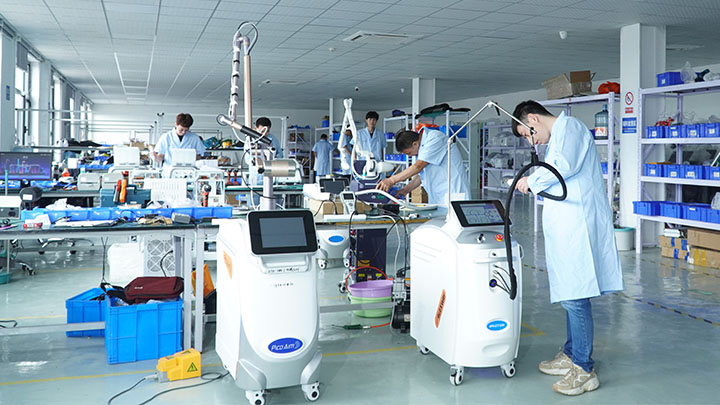
Quality is not a slogan; it is the sequence of checks that prevents a clinic from discovering a problem after delivery.
For buyers evaluating China laser anti-aging treatment factories, the production floor tells a more credible story than a catalog. The checkpoints below reflect the manufacturing chain described by Monae Beauty, from incoming materials to final packaging. Each image and label is preserved from the original manufacturing information.
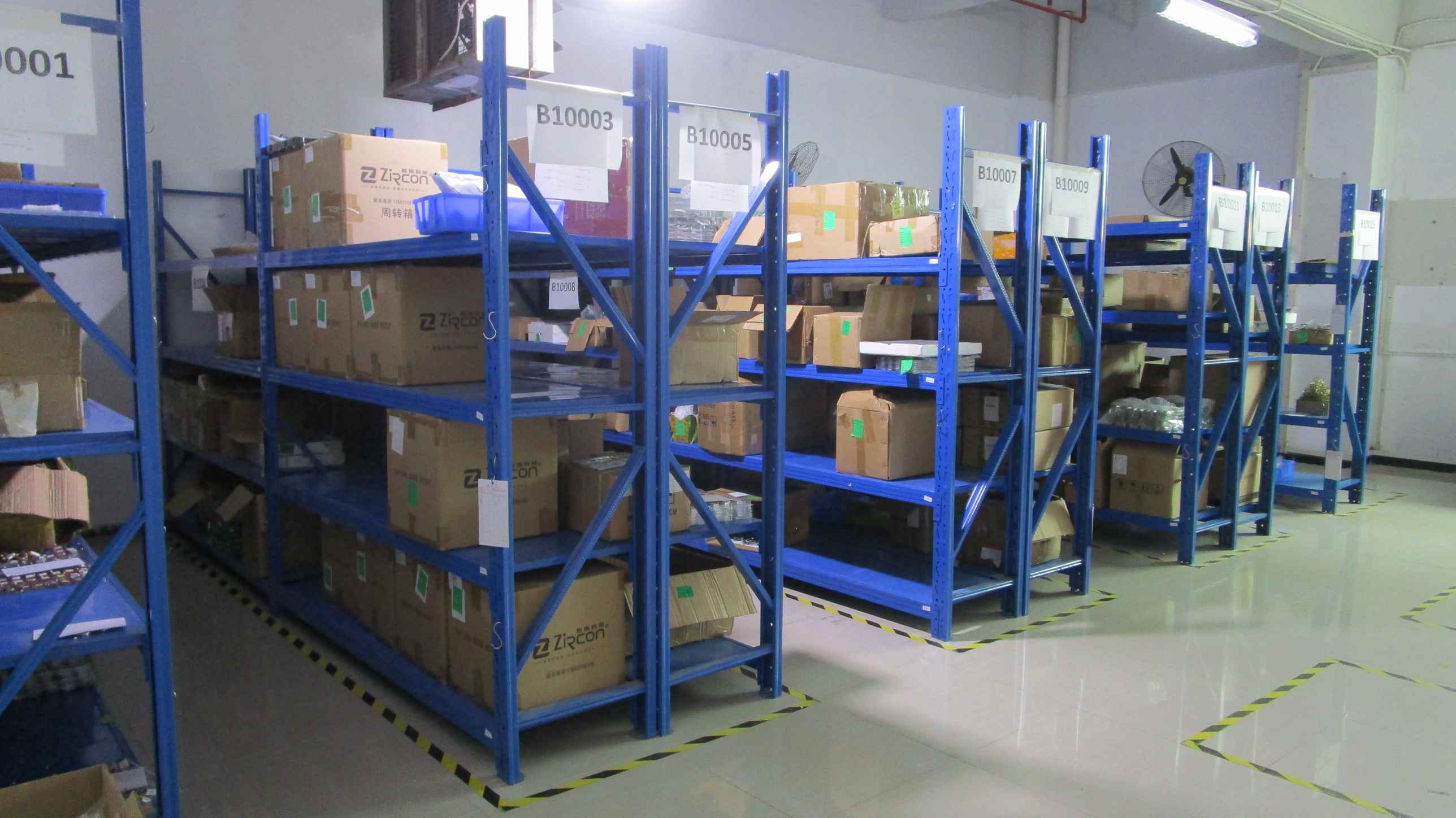 Raw Materials
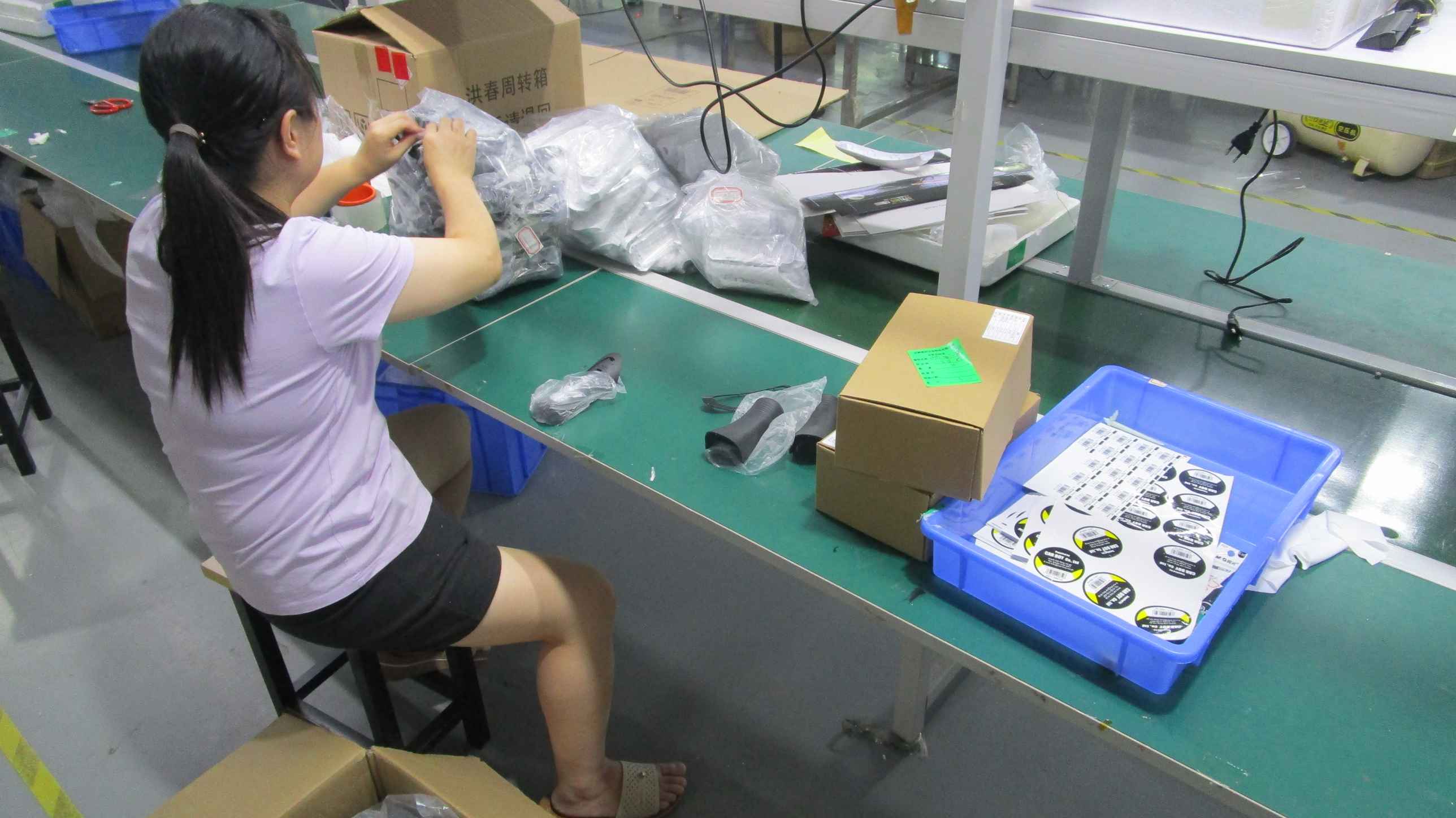 IQC
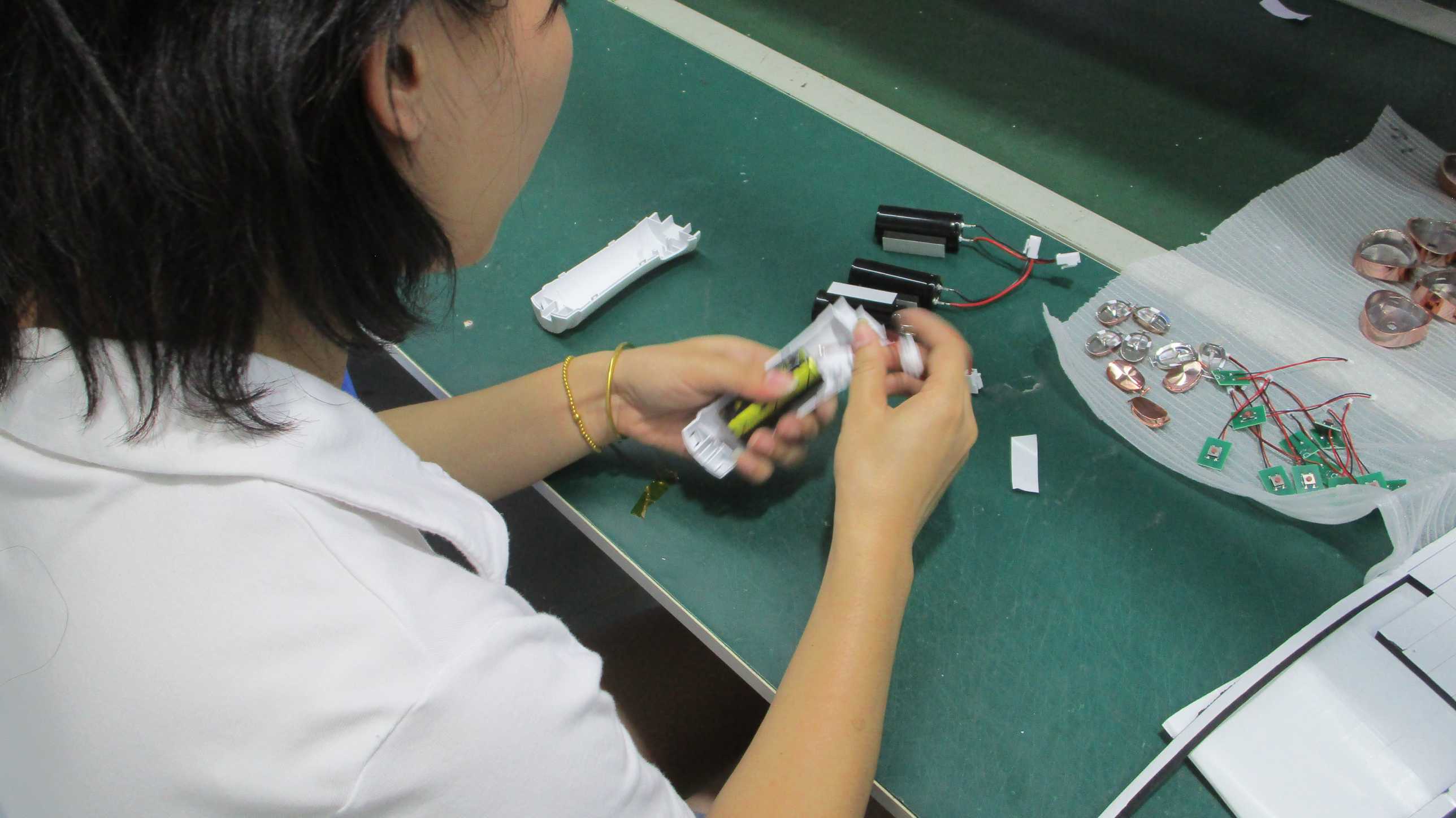 Battery Assembling
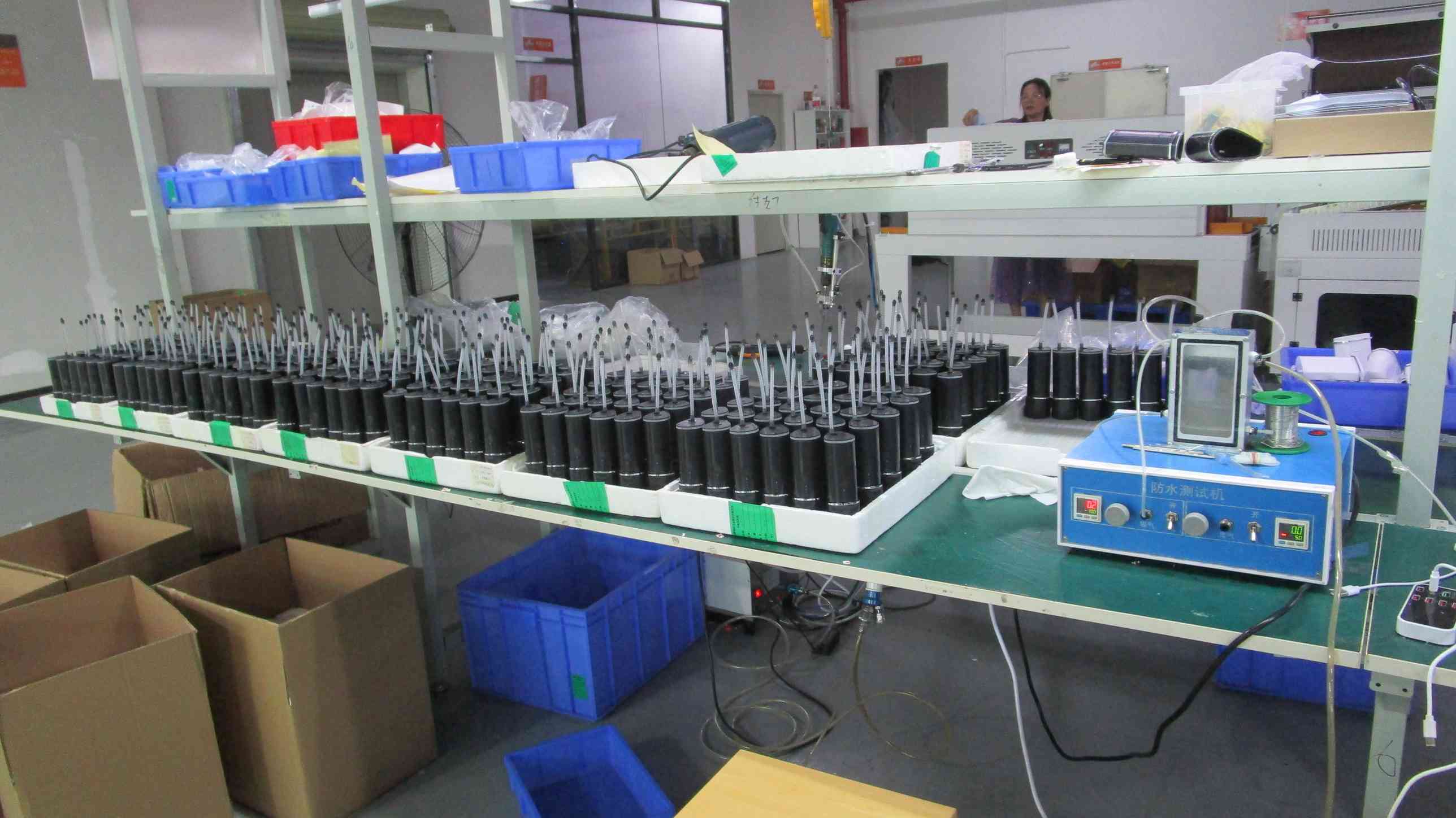 Waterproof Testing
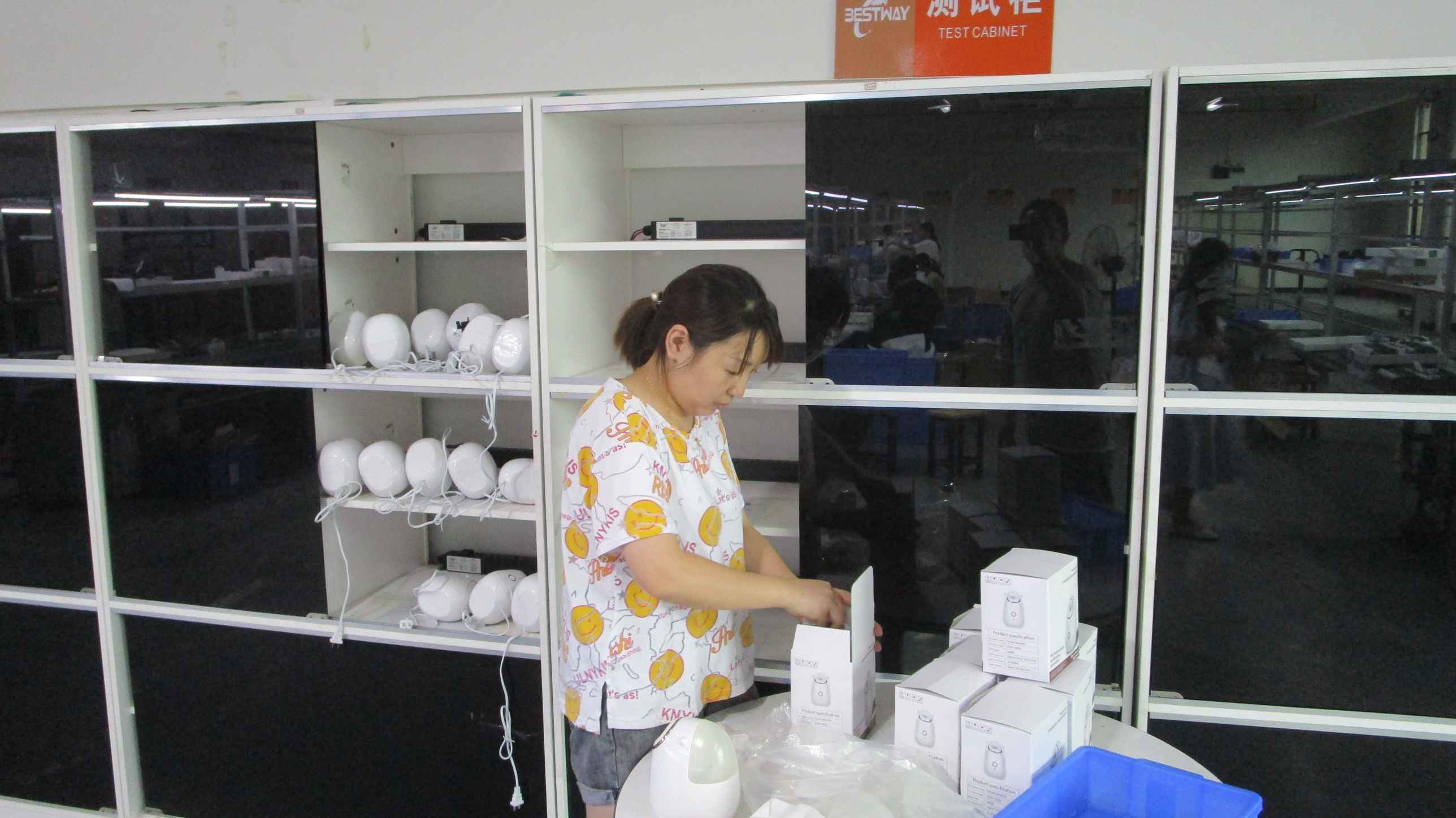 Ageing Test
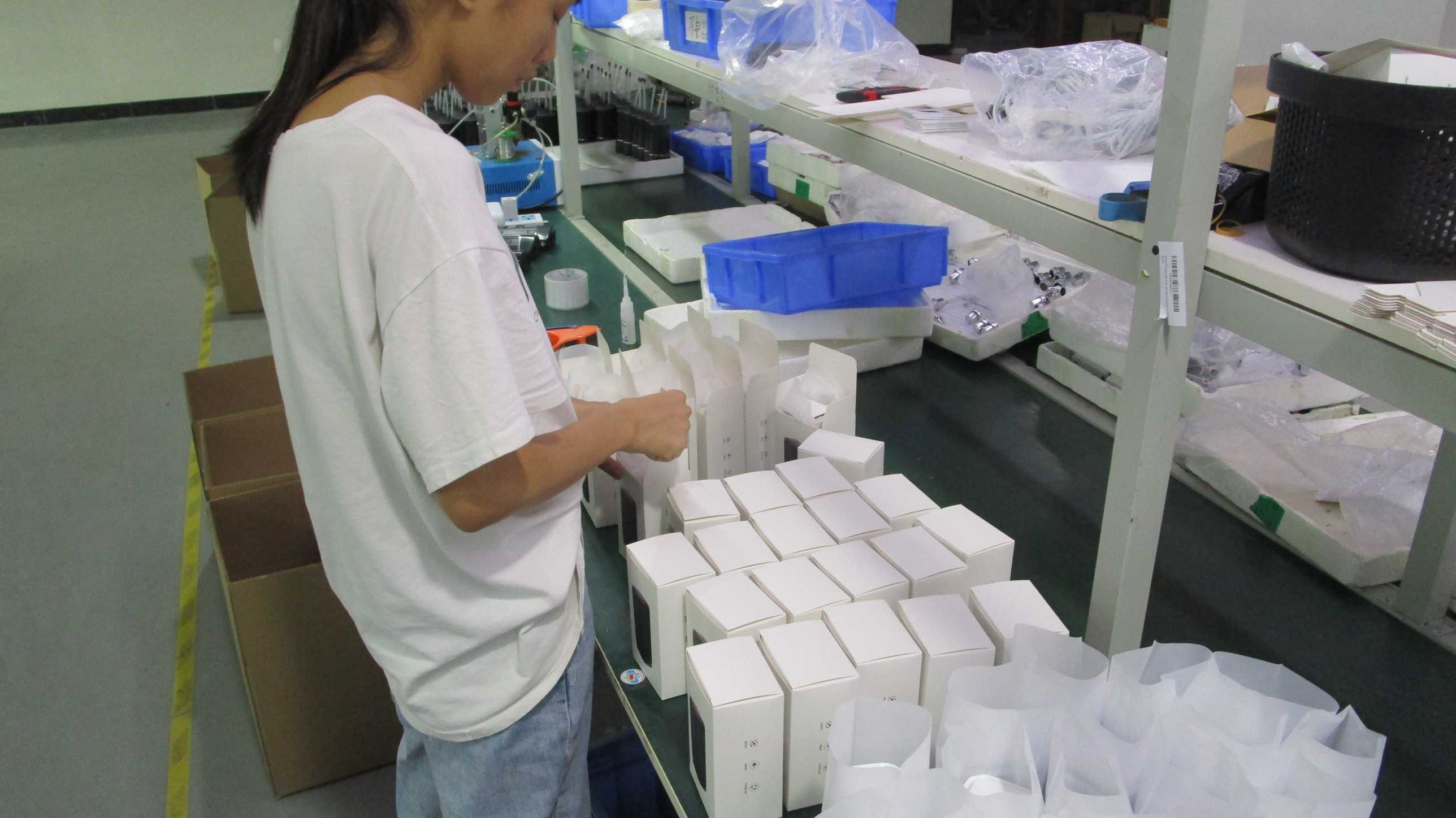 Packing
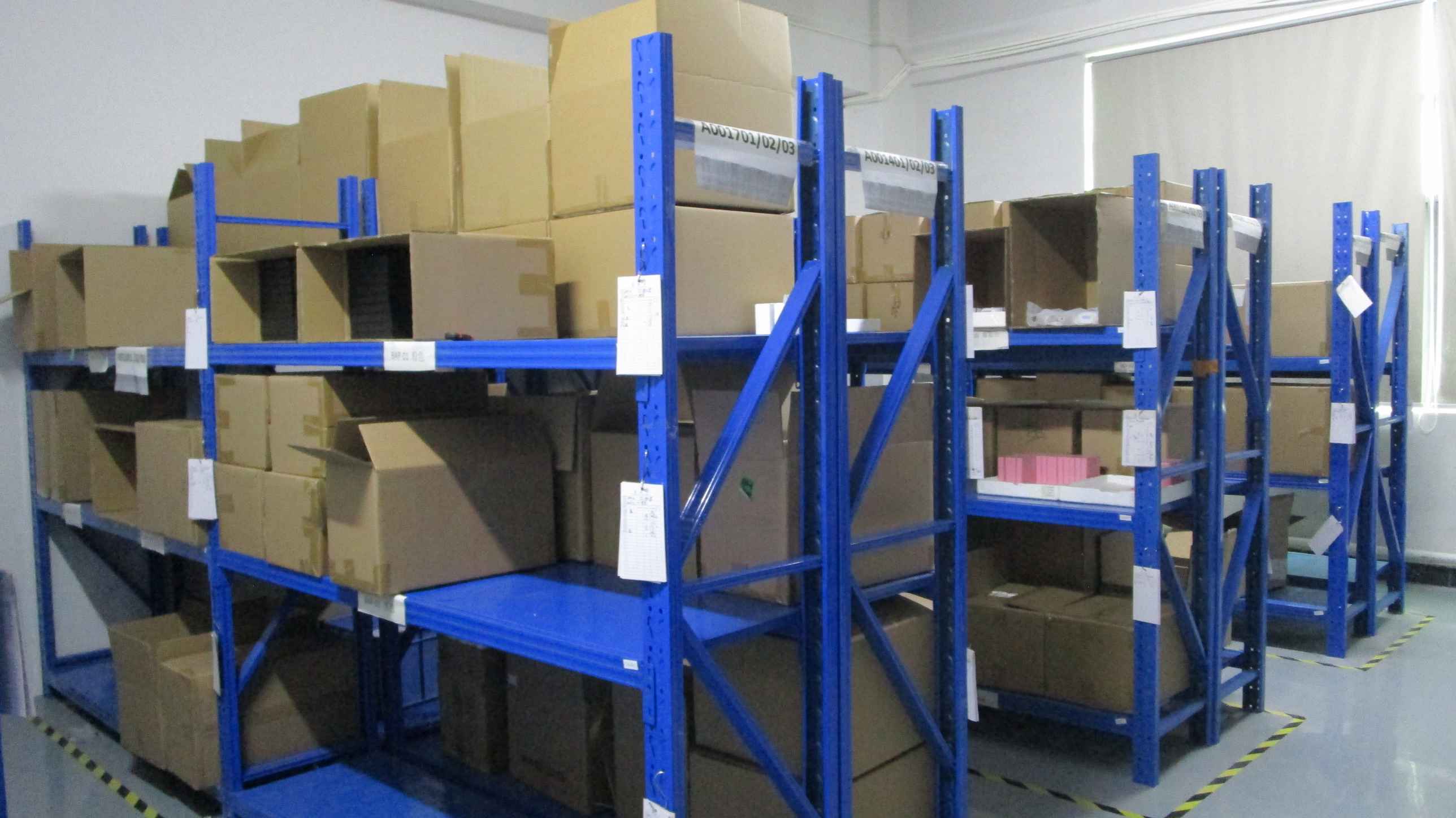 Finished Products
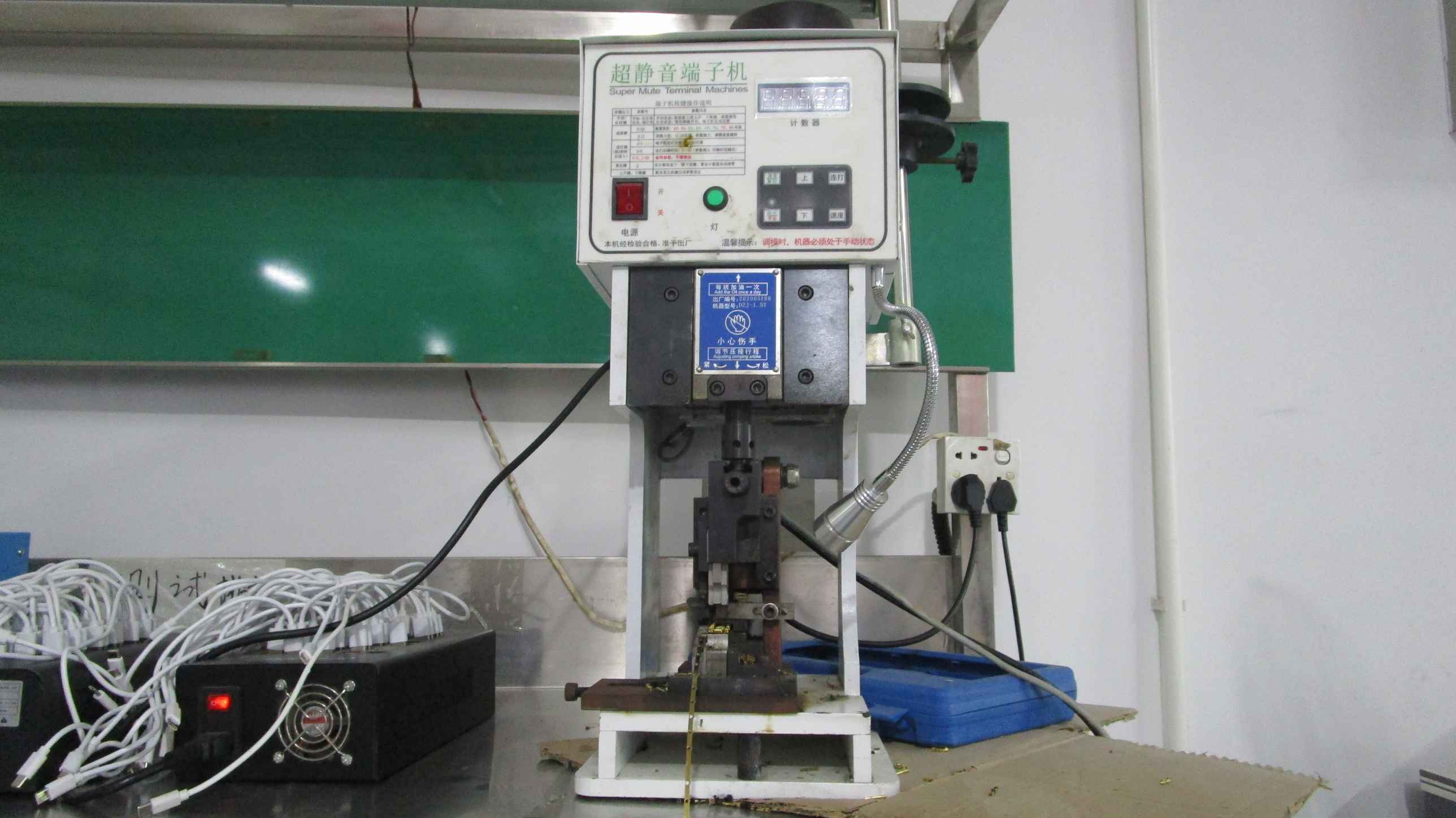 Super Mute Terminal Machine
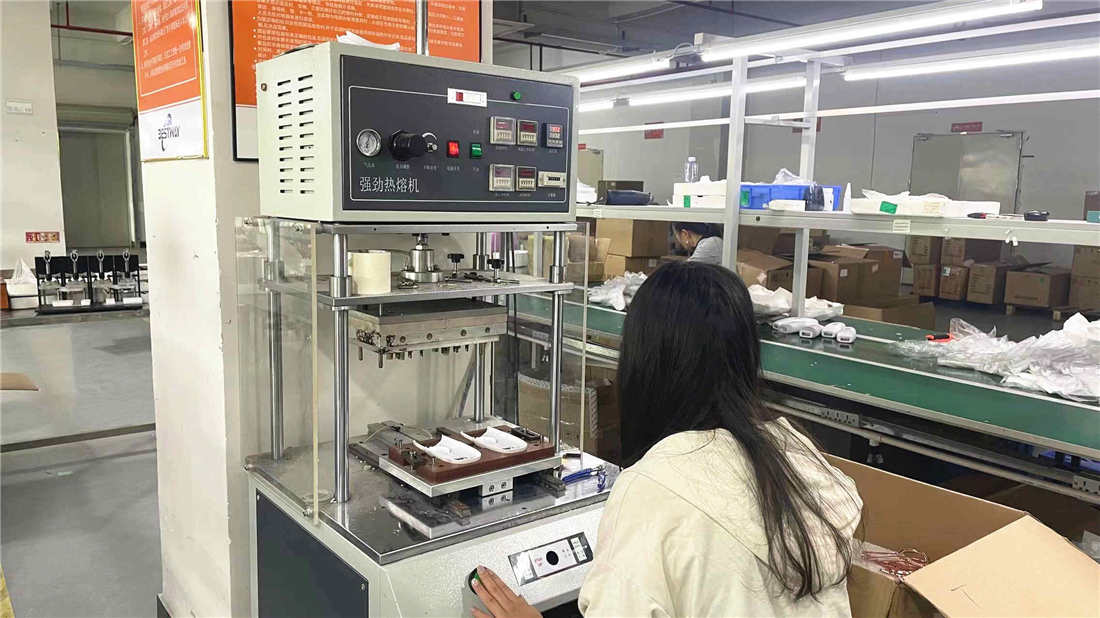 Ultrasonic Welding Machine
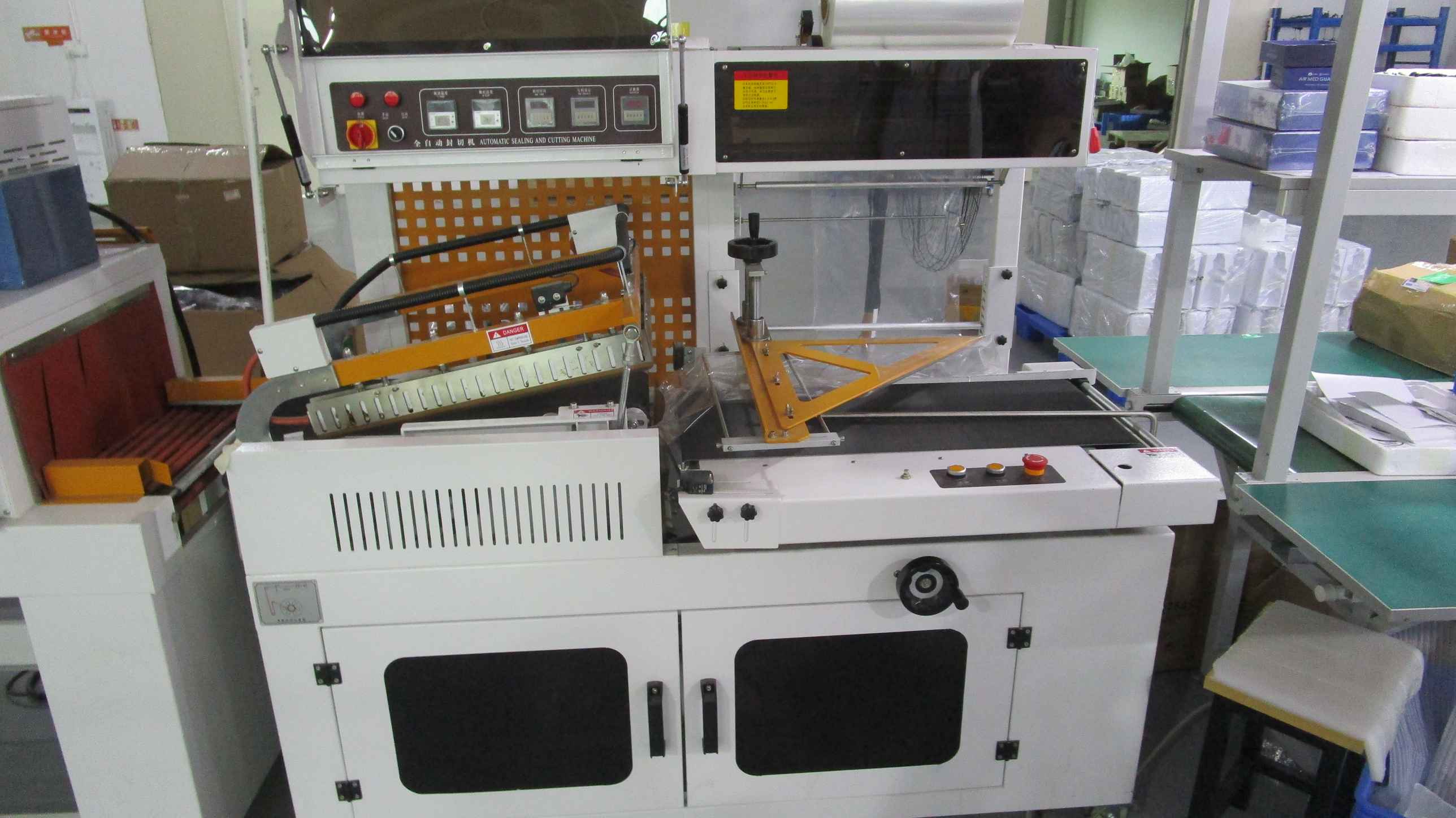 Automatic Sealing And Cutting Machine
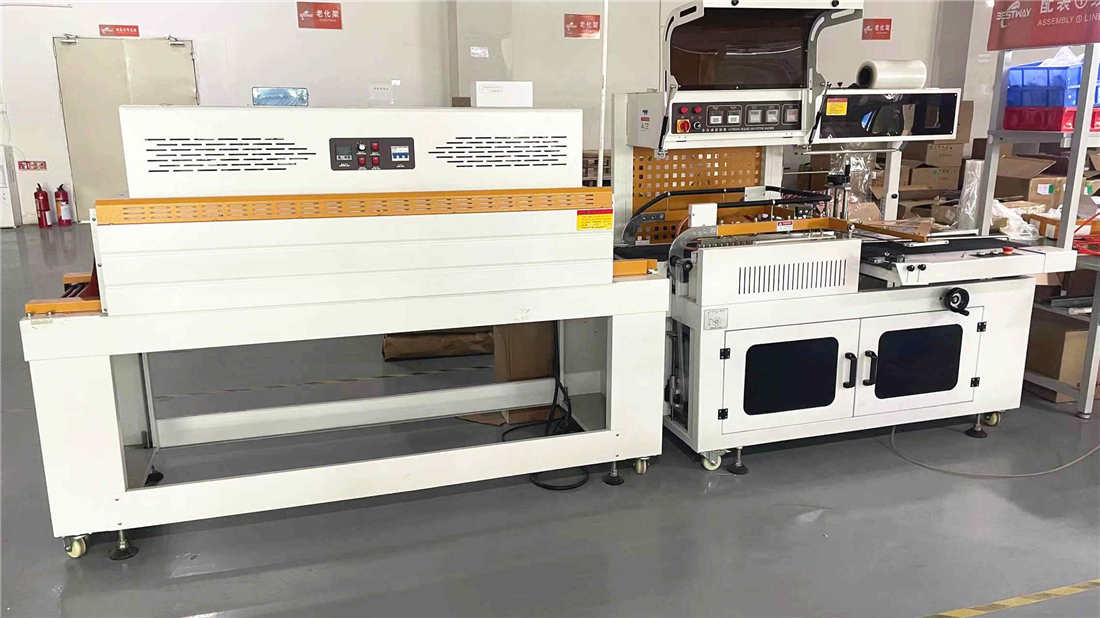 Film Shrinking Machine
A practical buyer checklist follows naturally from this production sequence: request IQC records, confirm ageing-test duration and acceptance criteria, verify waterproof-test relevance for the target device, ask how finished-product inspection is documented, and confirm packing standards for international transport. These details protect clinic uptime far more reliably than a headline wattage claim.
High-intent questions buyers ask before selecting a China laser anti-aging treatment supplier.
It depends on the service menu, staff skill and local demand. A common starting point is a fractional CO₂ or RF microneedling platform for skin texture, scars and tightening, paired with diode laser hair removal if that service is commercially important in the local market. Endolaser and thulium systems are usually added after the clinic has established patient flow and operator confidence.
Look for evidence rather than adjectives. Ask for company history, factory photographs, production checkpoints, quality-control records, product test documentation, OEM/ODM examples and references from markets similar to yours. A credible supplier should be able to explain how a device is assembled, tested, packaged and supported after delivery.
Many established OEM/ODM manufacturers can support logo customization, packaging design, interface-language changes and appearance adjustments. The scope depends on the platform, order volume and engineering schedule. Buyers should confirm which changes affect regulatory labeling and which are purely cosmetic before committing to a private-label program.
Lead time varies with platform complexity, customization depth, component availability and order volume. Standard units may move faster than private-label projects that require new housing, software wording or packaging. A reliable supplier will separate sample lead time, production lead time and shipping time instead of giving a single optimistic number.
At minimum, request product specifications, inspection records, safety-test summaries, labeling files, packaging specifications, spare-parts lists and warranty terms. Depending on your market, you may also need additional conformity or registration documents. The key is to confirm document consistency across the sample, the production batch and the shipping carton.
Fractional CO₂ is typically used for ablative resurfacing, scar revision and texture improvement. Thulium platforms are often positioned around pigmentation and photodamage. RF microneedling delivers controlled thermal energy through fine needles for dermal remodeling and tightening. Diode systems are widely used for hair removal and related skin applications. Endolaser platforms support minimally invasive lifting and fat-focused procedures.
Laser and RF systems generate heat during operation. A water-flow protection switch helps detect cooling-system problems before they escalate into overheating, downtime or component damage. For clinics, this is an uptime issue. For distributors, it is a service-cost issue. Small protective components are part of the total ownership calculation.
Training should cover device setup, parameter selection, contraindications, consumable handling, cleaning and first-line troubleshooting. After-sales support should define response times, spare-part access and escalation paths. For multi-site operators, a train-the-trainer model and standardized parameter sheets usually produce more consistent results than one-off demonstrations.
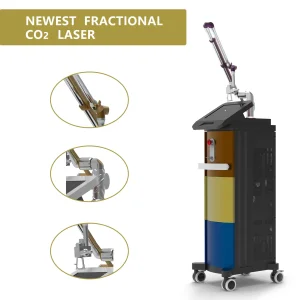
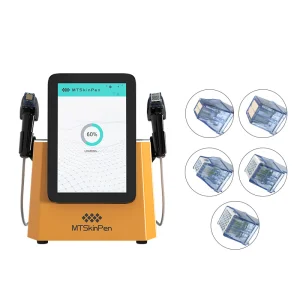
Use the product references, manufacturing checkpoints and procurement framework above to build a shortlist. The final eight platforms below complete the original product set and show how laser, RF, diode and support systems can sit inside one OEM/ODM supply relationship.
Compare the final eight systemsThe remaining eight platforms complete the original product series, covering diode hair removal, RF microneedling, fractional CO₂, thulium pigmentation treatment, endolaser body procedures and complementary laser cleaning equipment.
 Monae Beauty