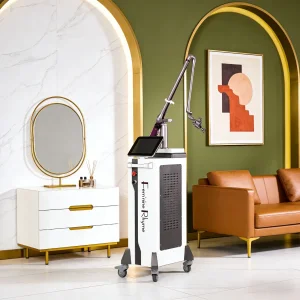
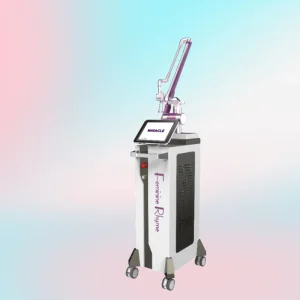
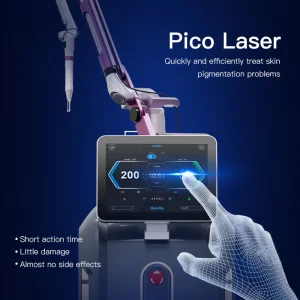
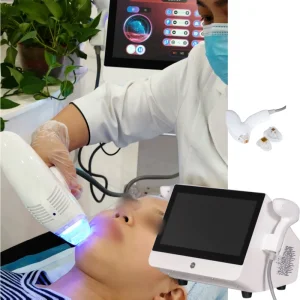
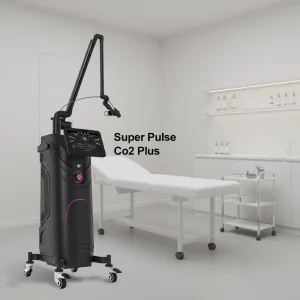
Explore our state-of-the-art fractional CO2, picosecond, and high-energy diode laser configurations engineered for precision pigment disruption and skin remodeling.
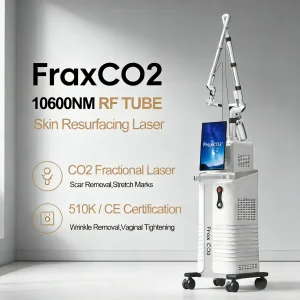
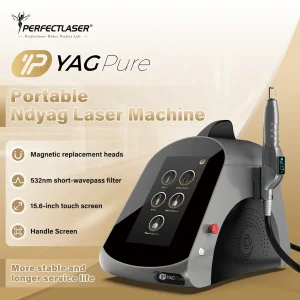
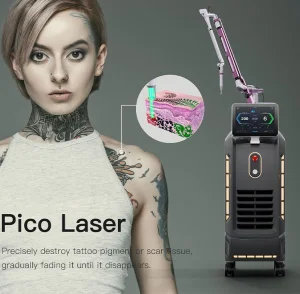
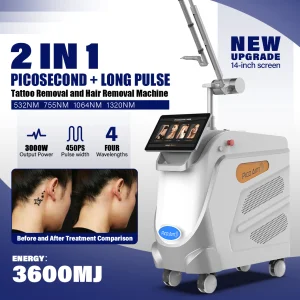
Hyperpigmentation—ranging from melasma and post-inflammatory hyperpigmentation (PIH) to solar lentigines and dermal melanocytosis—represents one of the most commercially significant sectors in the global aesthetic medicine market. Laser-based therapeutic modalities operate on the core principle of selective photothermolysis. The primary target chromophore is melanin, which exhibits broad absorption spectrum characteristics, peaking sharply in the ultraviolet range and gradually declining through the visible and near-infrared (NIR) wavelengths.
To effectively eliminate pathologically clustered melanin without inducing collateral thermal damage to surrounding keratinocytes and the dermo-epidermal junction (DEJ), contemporary manufacturers focus heavily on minimizing pulse duration. The thermal relaxation time (TRT) of a typical melanosome is estimated to be between 50 and 250 nanoseconds. Therefore, devices operating in the nanosecond (Q-switched) and picosecond ranges are structurally optimized to deliver acoustic-dominant fragmentation of pigment particles rather than purely thermal degradation.
| Laser Wavelength | Typical Pulse Width | Dominant Physical Mechanism | Primary Clinical Indications |
|---|---|---|---|
| 532 nm (FD Nd:YAG) | Nanosecond to Picosecond | High absorption photothermal disruption | Epidermal freckles, solar lentigines, red tattoo ink |
| 755 nm (Alexandrite) | 550 - 750 Picoseconds | Balanced photoacoustic/photothermal breakdown | Refractory melasma, Nevus of Ota, green tattoo pigments |
| 1064 nm (Nd:YAG) | Nanosecond to Picosecond | Photoacoustic fracturing, deep tissue penetration | Dermal melanocytosis, PIH, dark tattoo removal, melasma toning |
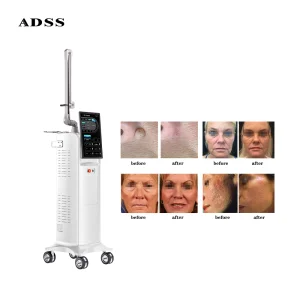
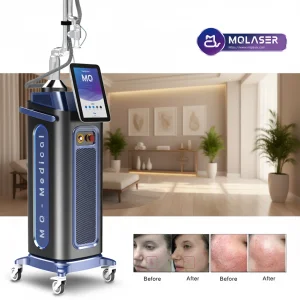
| 10600 nm (Fractional CO2) | Microsecond to Millisecond | Water-targeted vaporization & thermal micro-zones | Epidermal remodeling, pigmented scar resolution, skin resurfacing |
When global medical distributors and brand owners evaluate China laser hyperpigmentation therapy factories, procurement metrics extend far beyond ex-factory unit pricing. High-performance aesthetic lasers demand precise optoelectronic alignment, thermal stability, and long-term calibration consistency.
A key differentiator for top-tier Chinese manufacturers is their adherence to international regulatory frameworks. Leading facilities maintain certified ISO 13485 Medical Device Quality Management Systems, CE approvals for European distribution, and regulatory clearance configurations (FDA, TGA, Health Canada) that allow seamless cross-border market entry.
For Q-switched and picosecond systems, the mechanical delivery arm is critical. Premium factories import articulated arms from South Korea or utilize precision localized optomechanics to prevent energy loss and beam misalignment during physical articulation.
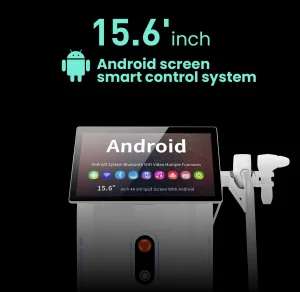
Modern aesthetic practices require smart interfaces. OEM/ODM capabilities must extend to customizable Android-based GUIs, enabling clinic branding, parameter presets, customer databases, and over-the-air (OTA) diagnostic software capabilities.
Based on strong innovation and advanced manufacturing capabilities, Foshan Monae Beauty Co., Ltd. is dedicated to providing high-quality medical aesthetic and beauty equipment solutions to customers worldwide. We specialize in the research, development, production, and customization of professional beauty devices, helping partners build their own brands with reliable quality, competitive pricing, and comprehensive services.
As a trusted manufacturer in the beauty industry, Monae Beauty is committed to becoming your long-term and dependable business partner. With more than a decade of experience, we have accumulated extensive expertise in product development, manufacturing, and international market operations.
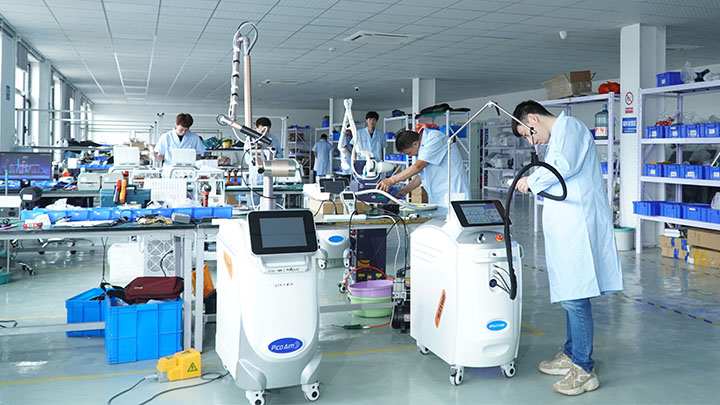
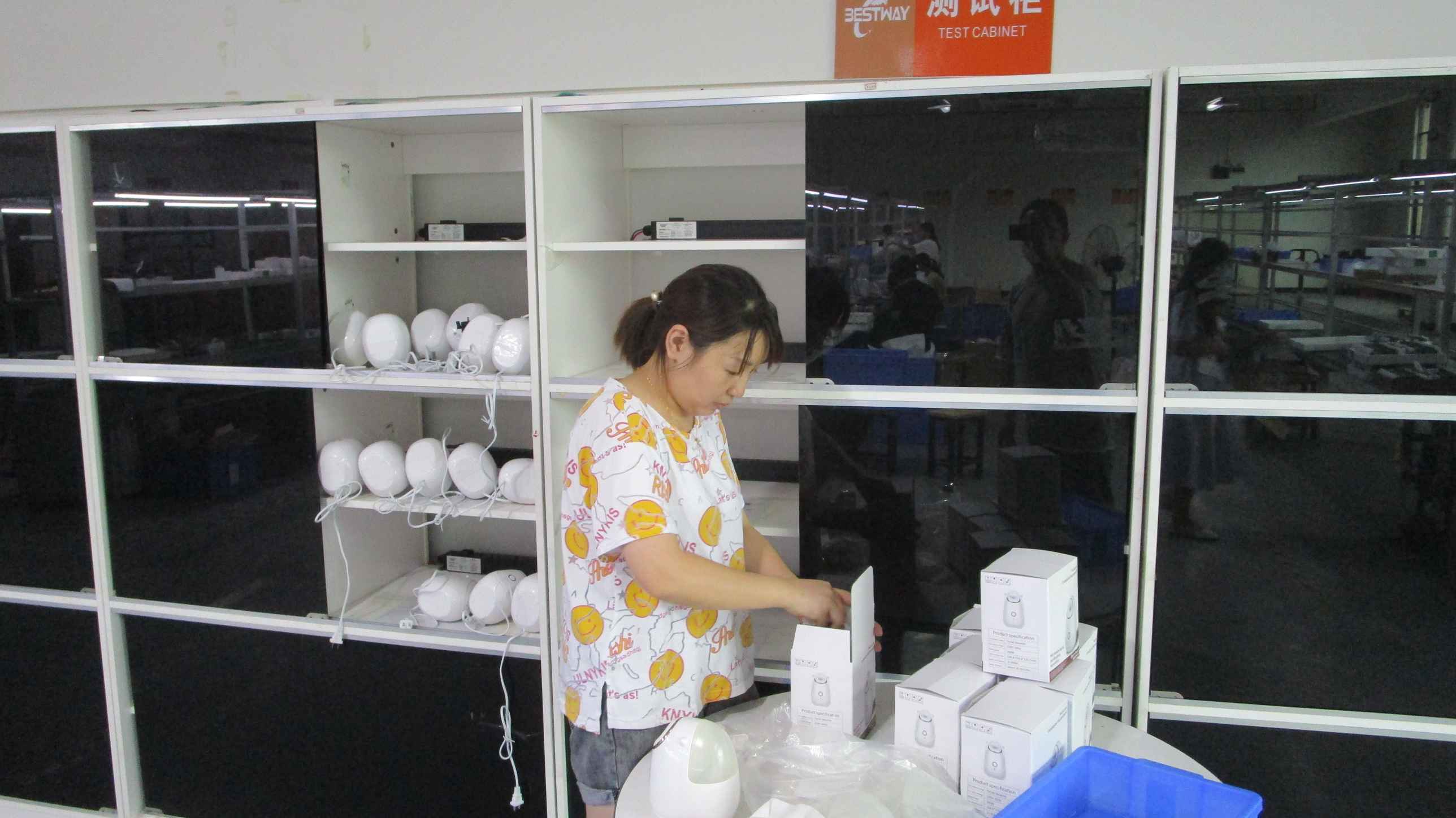
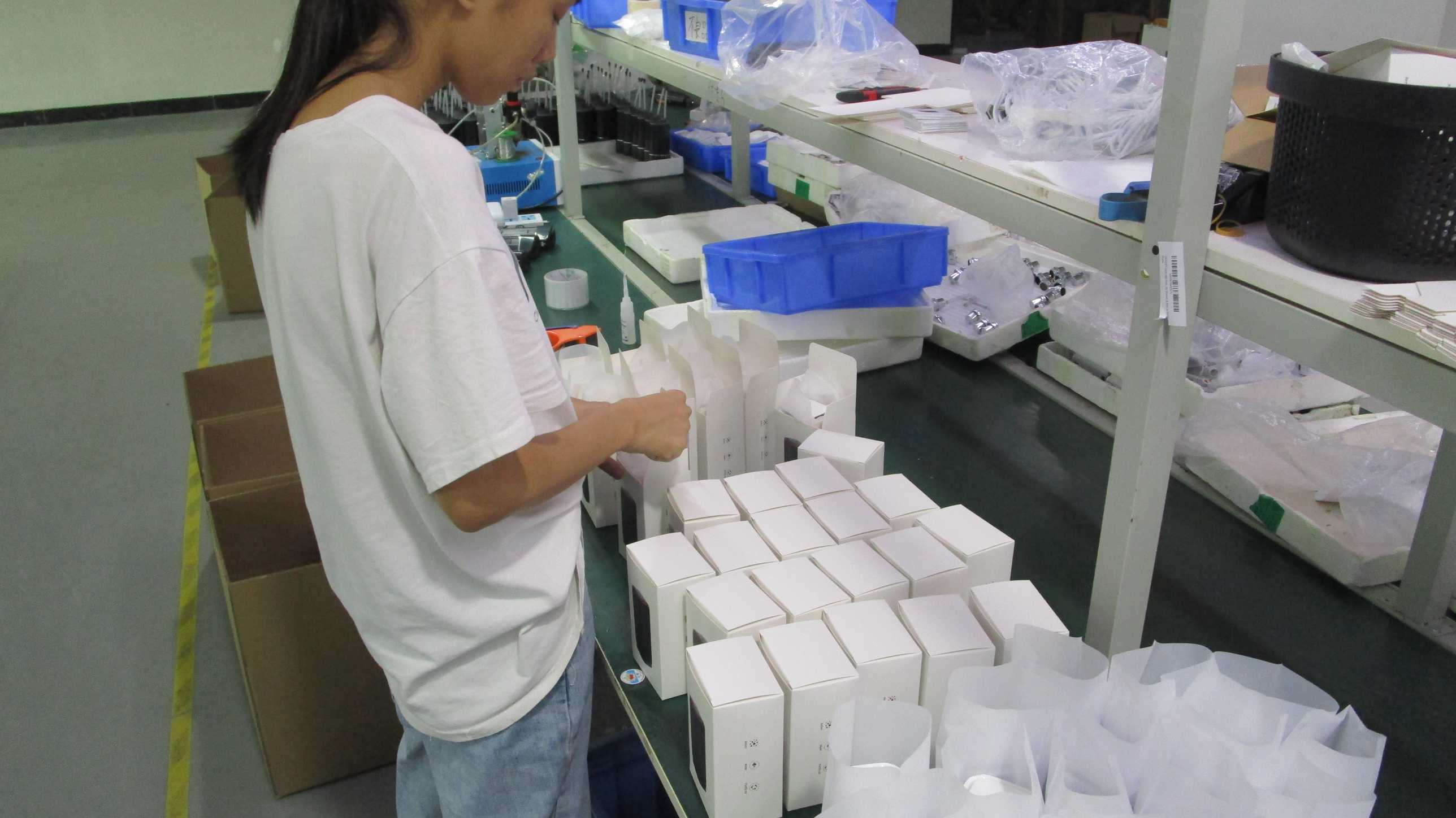
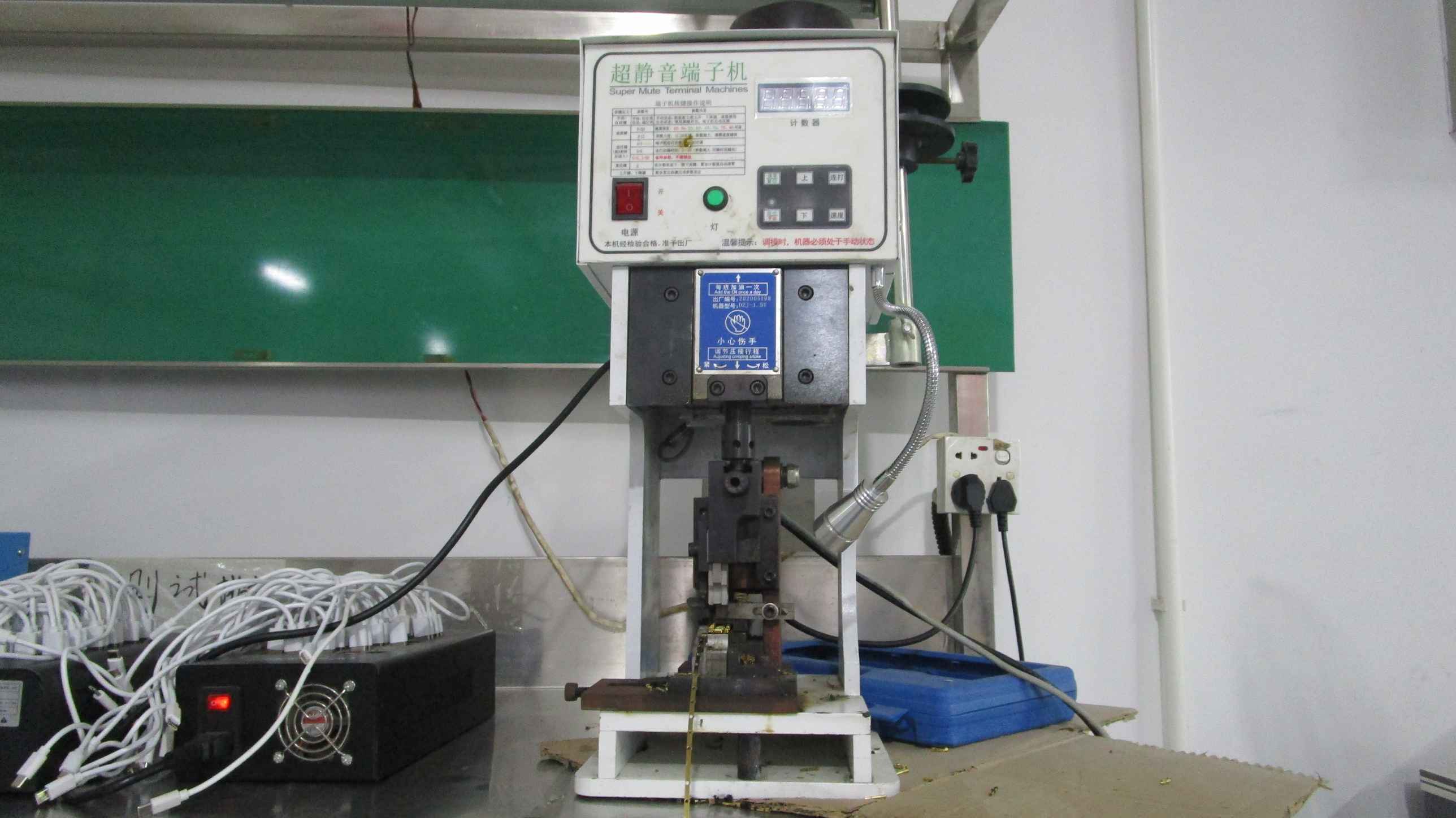
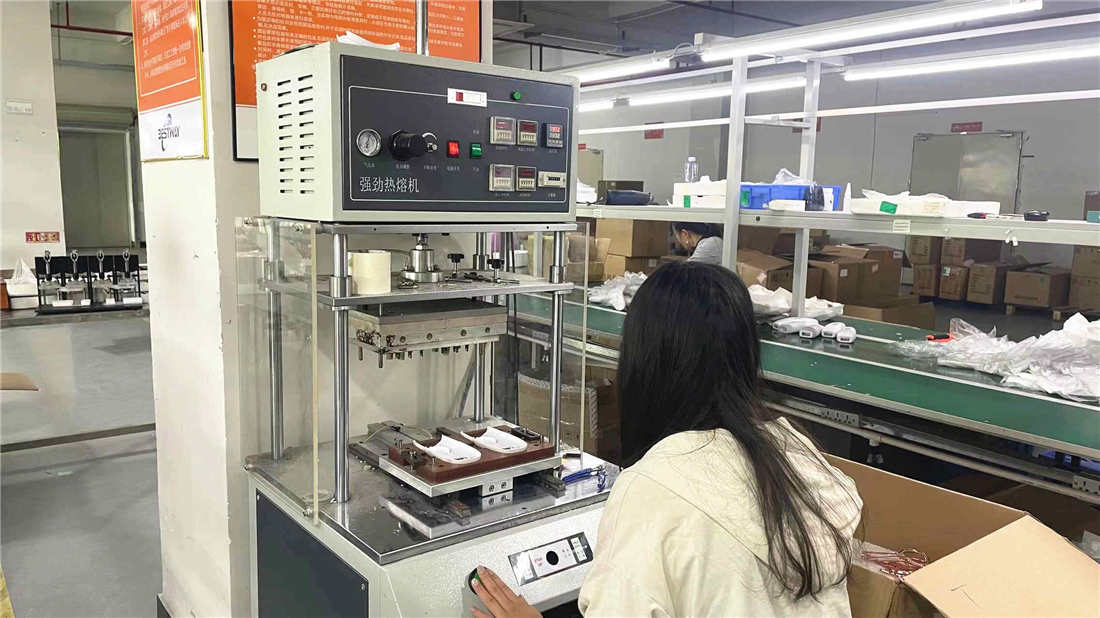
The operational efficiency of Foshan Monae Beauty is rooted in structured industrial processes, precision tooling, and extensive stress-testing protocols.

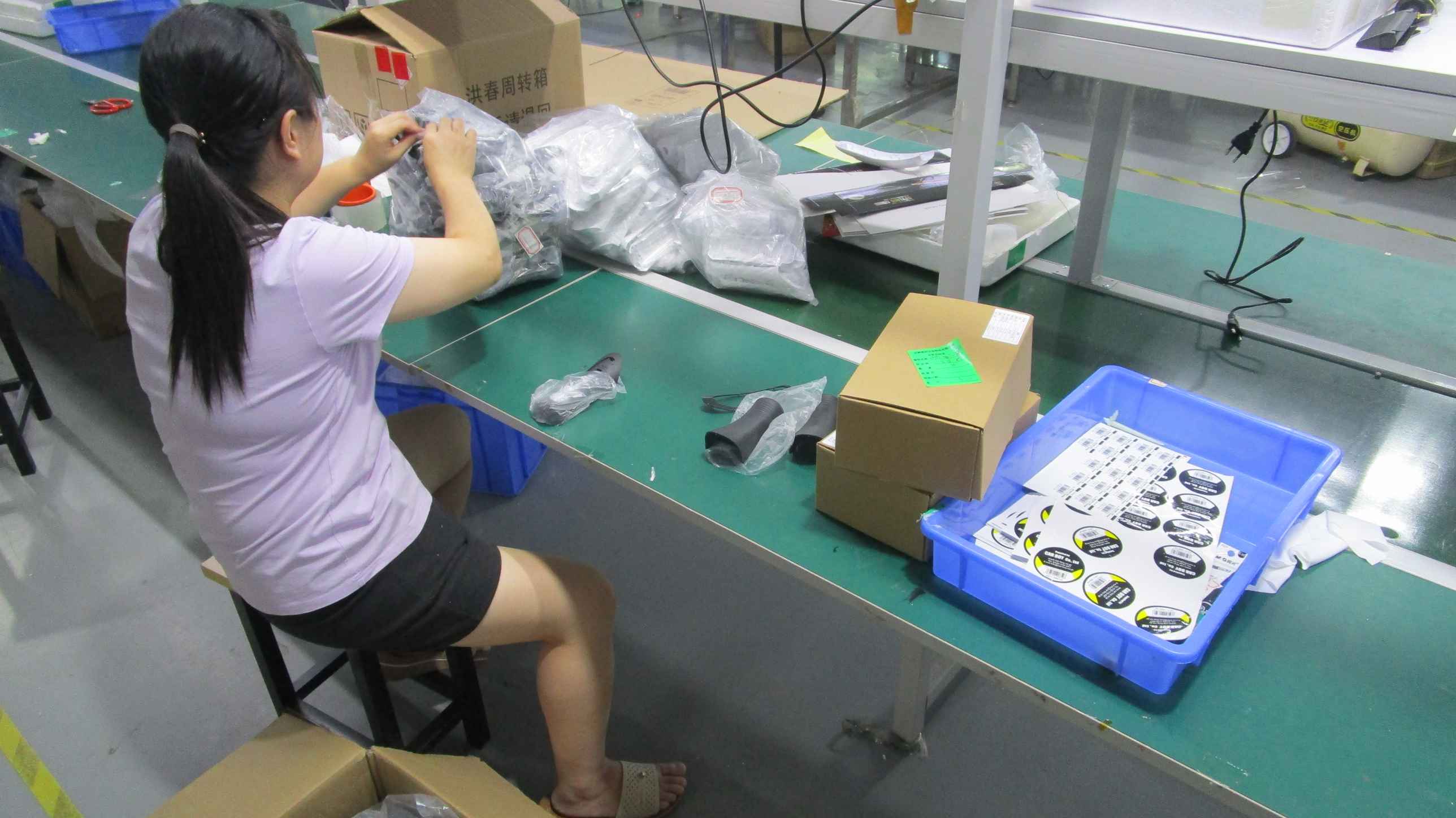
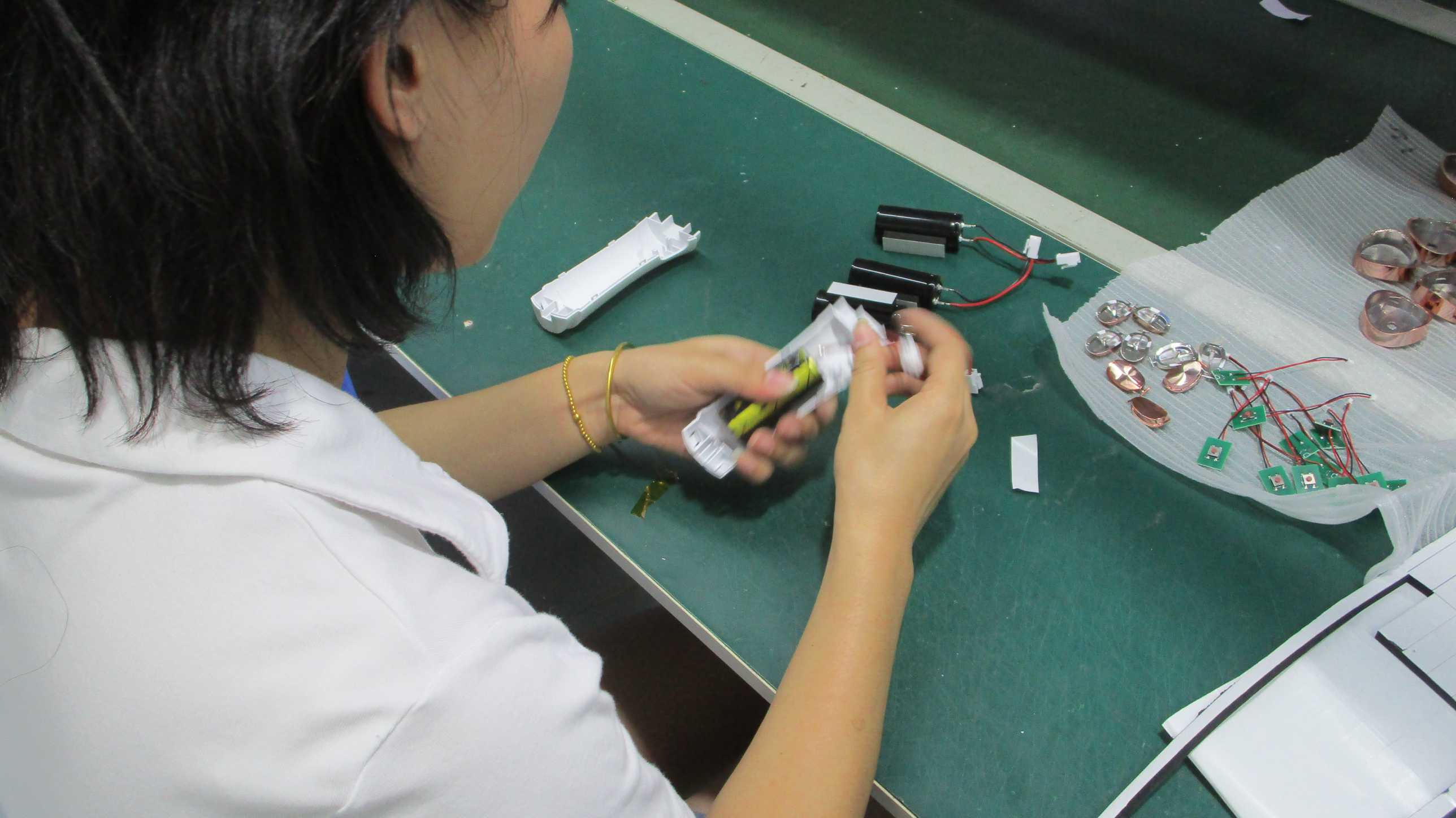
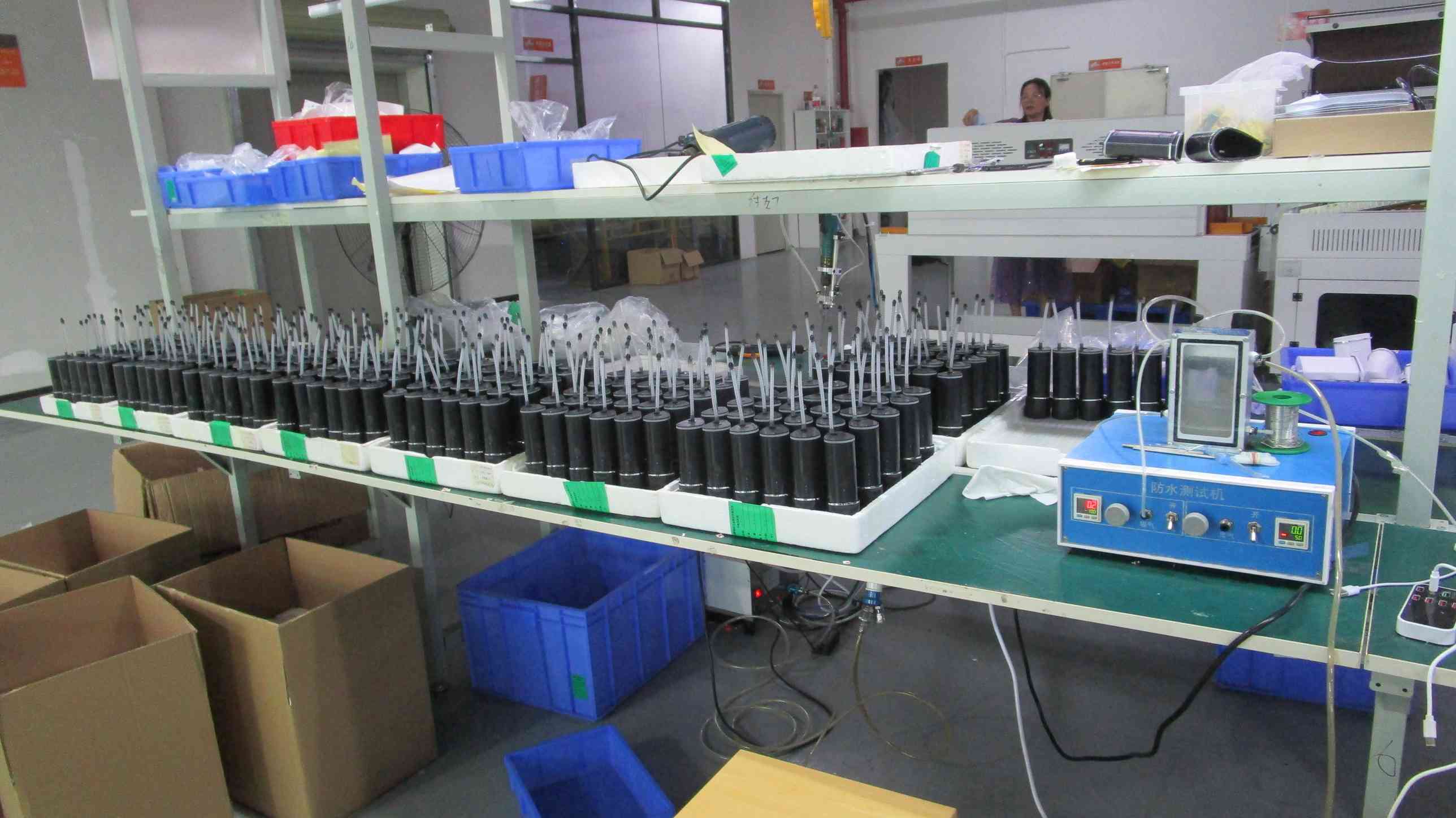

The hardware architecture of aesthetic lasers is transitioning toward ultra-short pulse widths and multi-wavelength integration. In the next three to five years, manufacturers are positioning R&D efforts to focus on two major technology fronts:
While picosecond lasers have drastically minimized the photothermal footprint, shifting to the femtosecond domain promises near-zero thermal diffusion. By disrupting pigment granules purely via localized plasma generation, risk profiles for PIH in darker Fitzpatrick skin types (IV–VI) can be reduced significantly.
Next-generation systems integrate real-time optical skin density and reflectance analysis. By evaluating the local density of chromophores before each pulse emission, the device's control microprocessor dynamically modulates fluence and pulse packaging, optimizing treatment safety in real time.
Traditional laser cavities rely heavily on dye-converters or multiple flashlamps to change wavelengths. The roadmap focuses on solid-state laser crystals paired with rapid-switching optical pathways, allowing operators to transition from 532nm to 1064nm or 755nm in a single handpiece without beam profile degradation.
Successfully deploying a fleet of laser platforms across a multi-clinic spa brand or regional distributorship requires a robust operational backend. Foshan Monae Beauty has developed modular localization frameworks that guarantee equipment uptime and clinical efficacy:
Get technical clarifications on clinical engineering, custom laser parameters, and wholesale partnership structures.
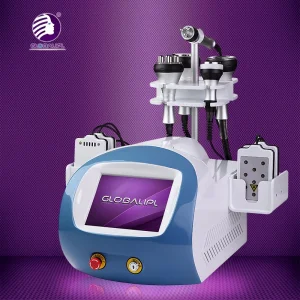
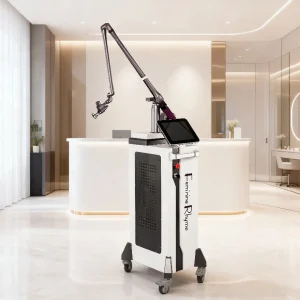
From multi-wavelength diode platforms to intensive body shaping and non-invasive laser systems, we supply the complete technological toolkit for clinical growth.
 Monae Beauty