Why is my skin red after laser treatment? In 2026, the answer still depends on the laser, treatment depth, and your skin’s response. Mild redness can reflect temporary inflammation as the skin begins to heal. After a gentle treatment, it may look like a warm flush. More intensive resurfacing can leave skin red, swollen, or tender for longer. The timeline is not identical for everyone.
Dermatologist and laser specialist Dr. Tina Alster’s clinical guidance, paraphrased, is that recovery depends on the procedure and the individual patient. That distinction matters. A pink face after treatment may be expected, but worsening pain, spreading redness, blisters, pus, or fever deserves prompt medical advice. Don’t diagnose a complication from a mirror alone.
This guide explains common causes, what recovery can look like, and when to contact your treating clinician. It also covers practical aftercare, such as following your clinic’s instructions, avoiding irritating products while skin is sensitive, and protecting treated skin from sunlight. The details matter: a hot shower, fragranced serum, or strong midday sun can make irritation harder to assess. Not every red patch means something is wrong. Still, healing is not always neat or predictable. If redness seems severe, keeps worsening, or worries you, ask the clinician who knows your treatment and medical history.
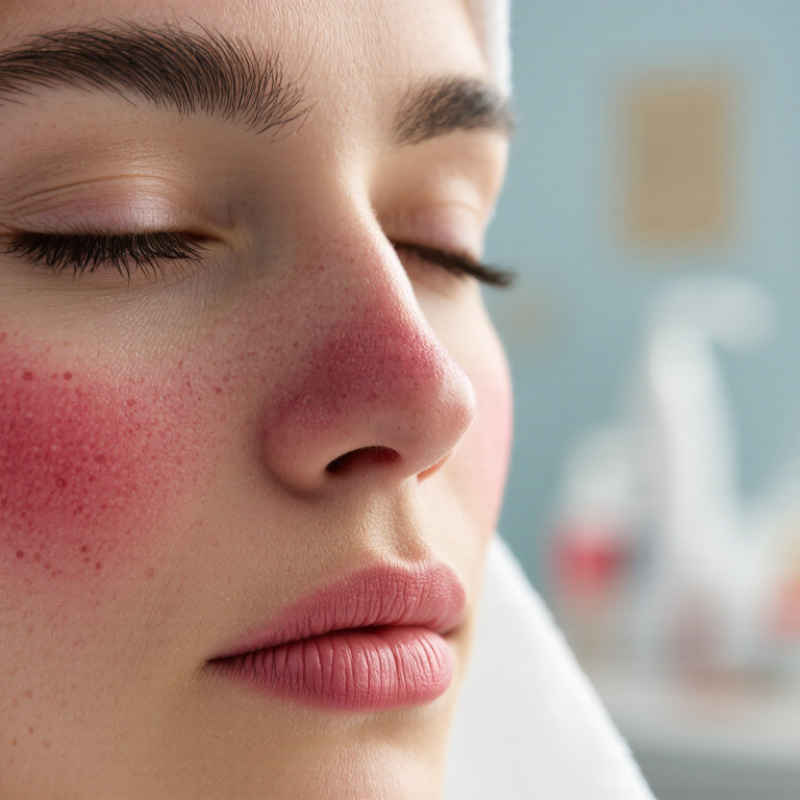
During laser treatment, light energy is absorbed by targets such as melanin, hemoglobin, or water in the skin. The target heats briefly, creating a controlled response. Depending on the device, this may affect pigment, tiny blood vessels, or water in tissue. The skin can look red because heat widens surface vessels and triggers temporary inflammation. Warmth and mild swelling may appear, too. That is expected. The 1983 paper by Anderson and Parrish in Science established selective photothermolysis: matching light to a target can limit energy reaching nearby tissue. The principle helps explain why different lasers produce different reactions.
With resurfacing lasers, some treatments create microscopic zones of controlled injury, while surrounding tissue remains available to support repair. The American Society of Plastic Surgeons’ 2023 statistics reported roughly 3.3 million laser skin-resurfacing procedures in the United States; that figure counts procedures, not redness or complications. Redness alone cannot show how deeply a laser worked. Skin tone, settings, treatment area, and aftercare all matter. A pink face may settle quickly; persistent pain, blistering, or worsening swelling deserves prompt advice from a qualified clinician. It is not always easy to judge at home. That uncertainty matters.
Redness after a laser procedure is often a temporary response to heat and controlled skin injury. The reaction and recovery time vary with the treatment type, settings, skin sensitivity, and individual healing.
| Skin response or treatment factor | What happens in the skin | What you may notice | Typical course and practical guidance |
|---|---|---|---|
| Temporary redness (erythema) | Laser energy may warm targeted tissue and trigger a short-term inflammatory response. Small blood vessels near the surface can widen. | Pinkness or redness, sometimes with mild warmth or tenderness. | Often settles within hours to a few days after less-intensive procedures. Follow the treating clinician’s aftercare instructions. |
| Non-ablative fractional treatment | Heat is delivered to small zones beneath or within the skin while much of the surface remains intact. | Temporary redness and mild swelling; the skin may feel warm or slightly rough. | Redness commonly improves over several days, but timing varies by device, settings, and individual response. |
| Ablative treatment | The laser removes some of the outer skin layer and heats underlying tissue, creating a more substantial healing response. | More pronounced redness, swelling, sensitivity, and sometimes pinpoint bleeding or crusting, depending on the procedure. | Recovery can take longer than with non-ablative treatment. Keep the treated area clean and use only aftercare products recommended by the clinician. |
| Swelling and warmth | Inflammation increases local blood flow and can cause temporary fluid buildup in the treated area. | Mild puffiness, warmth, or a sunburn-like sensation. | These effects often ease over the first few days. A cool, clean compress may help if approved by the treating clinician; do not apply ice directly to the skin. |
| Dryness, flaking, or tiny crusts | The surface barrier may be temporarily disrupted as treated skin renews. | Dryness, light peeling, roughness, or small crusts may develop during healing. | Do not pick, scrub, or peel the skin. Use gentle cleansing and clinician-approved moisturizers, and allow the skin to shed naturally. |
| Skin tone and sensitivity | Natural skin tone, recent tanning, inflammation, and treatment settings can affect how the skin responds to laser energy. | Redness may be easier to see on some skin tones; temporary light or dark marks can also occur. | Tell the provider about your skin history and any recent sun exposure before treatment. Protect healing skin from sunlight and use sunscreen when appropriate for the procedure. |
| Factors that may prolong redness | More intensive settings, repeated passes, sensitive or inflamed skin, and some underlying skin conditions may extend recovery. | Redness or tenderness that lasts longer than expected for the specific procedure. | Follow the clinic’s expected recovery guidance. Contact the treating clinician if redness is worsening, unusually painful, or not improving as expected. |
| Possible warning signs | Increasing inflammation or skin breakdown can require assessment; redness alone cannot confirm the cause. | Worsening pain, spreading redness, increasing heat or swelling, pus, fever, or new blisters. | Contact a healthcare professional promptly for these symptoms. Seek urgent care for severe symptoms or a rapidly worsening reaction. |
Important: Recovery varies by procedure and person. This guide is general information, not a diagnosis; your laser-treatment provider can advise what is expected for your specific treatment.
Laser heat can widen tiny surface blood vessels and trigger temporary inflammation. Warmth and slight puffiness may also appear. That can look startling.
It varies with the laser type, treatment depth, settings, and skin sensitivity. Recovery after resurfacing may take 5 to 21 days, but that is not a promise about redness.
No. Redness alone cannot show treatment depth. Skin tone, treatment area, settings, and aftercare also affect its appearance.
It may resemble a light sunburn, feel warm, or look slightly puffy. Gradually fading redness is generally less concerning. Not always easy to judge.
Contact your clinician about worsening pain, spreading redness or heat, blisters, increasing swelling, pus, or fever. Seek urgent care for severe pain, rapidly worsening symptoms, or changes near your eyes.
A cool, clean compress may ease warmth. Avoid rubbing, picking peeling skin, hot showers, or unapproved creams.
Avoid unapproved products on healing skin; they may cause irritation. I might want to hide the redness quickly, but that can make things harder to assess.
No. Redness may be harder to notice on darker skin. Recent sun exposure and the treated area can also change its appearance.
A photo in consistent lighting can show whether redness is changing. It cannot replace an examination, so contact the treating clinic if symptoms intensify or do not improve as expected.
Redness after a laser procedure is often part of the skin’s normal response. Laser energy acts on targeted areas of the skin, which may become temporarily warm, sensitive, or inflamed as the body begins healing. If you’re wondering, “why is my skin red after laser treatment,” the answer may depend on the type and intensity of the procedure, your skin’s sensitivity, and how it responds. Mild redness can fade within hours or days, while more intensive treatments may take longer to settle.
During recovery, follow the aftercare instructions provided by your clinician, keep the skin gently clean, avoid irritating products, and protect it from sunlight. Redness that gradually improves is generally less concerning than symptoms that worsen or come with increasing pain, significant swelling, blisters, unusual discharge, or fever. Contact a clinician if symptoms are severe, unexpected, or not improving as advised. They can assess your skin and recommend appropriate care.

 Monae Beauty