Many people wonder when to start using anti aging skin care after noticing fine lines, dullness, or uneven texture. The honest answer is not a fixed birthday. Skin changes depend on genetics, sun exposure, hormones, smoking, sleep, and daily habits. A mirror may show one small line, while the deeper damage remains invisible.
A practical routine often begins with prevention. Broad-spectrum sunscreen, gentle cleansing, and regular moisturising support the skin barrier at almost any adult age. Dermatologists commonly recommend daily SPF 30 or higher, especially on the face, neck, and hands. Retinoids, vitamin C, and exfoliating acids may also help, but they can cause dryness or irritation when used too quickly. Start slowly.
Your skin should not feel punished.
In my experience, people often buy several “anti-aging” products at once. That makes it difficult to identify what helps or causes redness. A simpler approach is usually more reliable: introduce one active ingredient, use it consistently, and observe your skin for several weeks. However, this advice is not perfect for everyone. Sensitive skin, eczema, pregnancy, or prescribed treatments may require professional guidance. A qualified dermatologist can assess pigmentation, texture, and irritation more accurately than a product label. The goal is not to erase every expression line. Healthy, comfortable, well-protected skin matters more. This guide explains when to start using anti aging skin care and how to build a realistic routine without rushing.
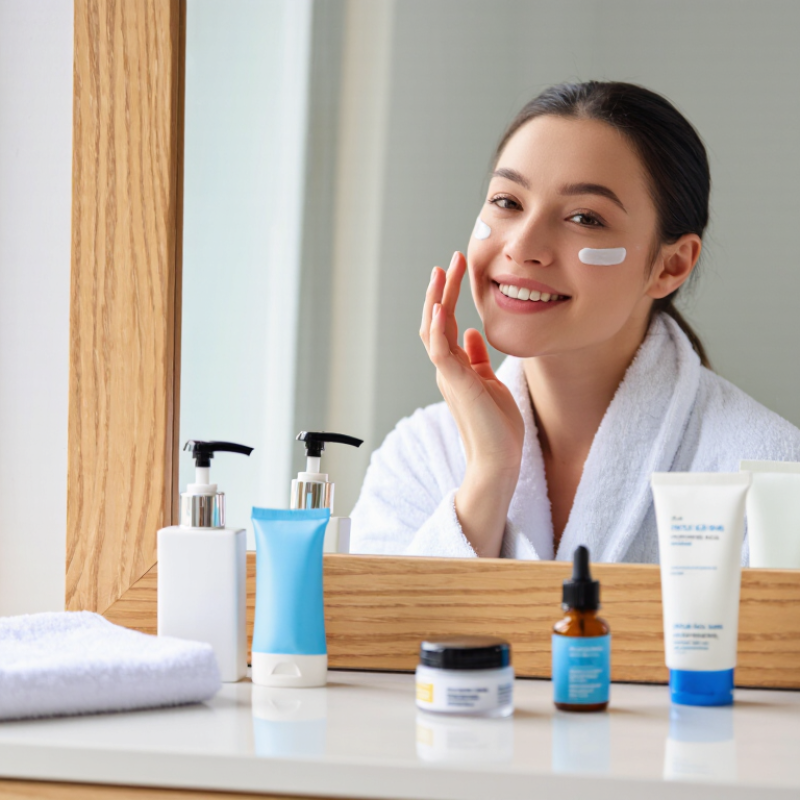
Skin aging does not begin on one exact birthday. It often starts quietly in the twenties, when collagen production gradually slows. A review in Dermato-Endocrinology reports approximately 1% annual collagen loss after early adulthood. The first signs may be fine lines near the eyes, slower healing, dullness, or uneven tone.
Look closely in natural light. Notice creases that remain after your face relaxes. Sun exposure can make these changes appear earlier. The American Academy of Dermatology states that ultraviolet exposure causes up to 90% of visible skin aging. This includes wrinkles, pigmentation, and reduced firmness. Genetics, sleep, smoking, hormones, and daily facial movement also influence appearance. Skin does not follow a neat calendar. I once assumed dryness meant aging, but weather and cleansing habits can create the same signal.
Tips: Start with broad-spectrum sunscreen, gentle cleansing, and regular moisturising. Reapply sunscreen outdoors, especially after sweating. Introduce one active ingredient at a time, and patch-test first. Evidence reviews support topical retinoids for fine lines, but irritation is common when use begins too quickly. Professional guidance from the American Academy of Dermatology recommends gradual application and consistent sun protection. Persistent redness, sudden pigmentation, or changing lesions deserve a dermatologist’s assessment. A mirror can suggest a pattern, not a diagnosis.
| Skin-Aging Stage | Typical Changes | Visible Signs | Recommended Skin-Care Focus | Useful Ingredients or Practices | Priority |
|---|---|---|---|---|---|
| Teens to Early 20s | Natural collagen and elastin production are generally strong. Environmental exposure, acne, irritation, and tanning may still affect long-term skin health. | Usually no true age-related wrinkles; occasional dryness, acne marks, uneven tone, or sunburn may be present. | Build a consistent preventive routine rather than focusing on aggressive anti-aging products. | Broad-spectrum sunscreen, gentle cleanser, moisturizer, and avoidance of tanning beds. Use acne treatments only when appropriate. | Prevention |
| Mid to Late 20s | Early cumulative ultraviolet exposure and repeated facial movement may begin to influence texture and pigmentation. | Faint expression lines, mild uneven tone, roughness, or persistent dark spots may become noticeable. | Maintain daily photoprotection and introduce targeted products gradually if a specific concern appears. | Broad-spectrum SPF 30 or higher, vitamin C or niacinamide for uneven tone, moisturizer, and gentle exfoliation when tolerated. | Prevention and early correction |
| 30s | Collagen production and skin-cell turnover may gradually decline, while cumulative ultraviolet exposure becomes more apparent. | Fine lines around the eyes or forehead, reduced brightness, mild loss of firmness, and slower recovery from irritation. | Use a simple routine consistently and add one evidence-informed active ingredient at a time. | Sunscreen, retinoid products when suitable, antioxidants, moisturizer, and adequate skin-barrier support. | Consistent correction |
| 40s | Changes in collagen, elastin, hydration, and pigment regulation may become more noticeable. Hormonal changes can also affect dryness and sensitivity. | More persistent fine lines, deeper expression lines, uneven pigmentation, dryness, and gradual loss of firmness. | Prioritize barrier protection, daily sunscreen, and carefully managed treatment for lines, texture, and pigment. | Retinoids if tolerated, humectants such as glycerin or hyaluronic acid, ceramides, antioxidants, and broad-spectrum sunscreen. | Correction and protection |
| 50s and Beyond | Lower estrogen levels during and after menopause may contribute to thinner, drier, more sensitive skin and reduced elasticity. | Deeper wrinkles, increased dryness, fragility, uneven tone, and more visible laxity. | Use a gentle, moisturizing routine and introduce active ingredients slowly to minimize irritation. | Rich moisturizers, ceramides, petrolatum when needed, sunscreen, gentle retinoid use if appropriate, and professional advice for persistent concerns. | Barrier care and targeted treatment |
| Any Age After Repeated Sun Exposure | Ultraviolet radiation can accelerate premature skin aging by damaging collagen and increasing pigment irregularities. | Freckles, sunspots, uneven texture, fine lines, leathery texture, and loss of firmness. | Make sun protection the foundation of the routine, regardless of age or skin tone. | Broad-spectrum SPF 30 or higher, protective clothing, shade, sunglasses, and reapplication during prolonged outdoor exposure. | Highest priority |
| When Irritation Appears | Overuse of exfoliants, retinoids, fragranced products, or harsh cleansers can weaken the skin barrier and mimic premature aging. | Burning, stinging, redness, flaking, tightness, or sudden sensitivity. | Pause irritating actives and restore the barrier before restarting products gradually. | Gentle cleanser, fragrance-free moisturizer, barrier-supporting ingredients, and reduced product frequency. | Recovery first |
| When a New or Changing Lesion Appears | Not every mark is a cosmetic aging concern. A new, changing, bleeding, or persistently scaly spot requires medical assessment. | Changes in size, shape, color, border, or symptoms such as bleeding, crusting, or persistent itching. | Do not attempt to treat a suspicious lesion only with cosmetic products. | Arrange an evaluation with a qualified medical professional, especially for rapidly changing or non-healing spots. | Medical evaluation |
It often begins quietly in the twenties, not on one exact birthday. Collagen production may decline gradually after early adulthood. Fine lines, dullness, slower healing, or uneven tone can appear first.
Look in natural light. Creases may remain near the eyes after your face relaxes. Skin can also feel less firm or recover slowly after breakouts. Sometimes dryness only looks like aging.
Ultraviolet exposure can cause most visible premature aging. It may increase wrinkles, uneven pigmentation, and reduced firmness. Use broad-spectrum sunscreen daily. Reapply outdoors, especially after sweating.
Use a gentle cleanser, moisturizer, and broad-spectrum sunscreen. Keep the routine simple. A richer moisturizer may help when skin feels tight after washing.
A retinoid may help fine lines and rough texture. Start with a small amount twice weekly. Increase slowly if your skin stays calm. Burning and peeling mean your routine may be too strong.
Patch-test near the jawline for several days. Introduce one product at a time. Avoid combining several strong ingredients immediately. Keep notes about redness, peeling, and comfort.
Daily sun protection matters for uneven tone. Dry skin may need gentle cleansing and barrier-supporting moisturizer. Persistent dark areas require professional assessment. Products should match your concern, not your birthday.
Seek professional advice for persistent redness, sudden pigmentation, or changing lesions. Also ask for guidance during pregnancy, breastfeeding, or prescription treatment. A mirror suggests patterns, not diagnoses.
Comfort may improve within four weeks. Texture changes often take longer. Take monthly photos in similar lighting. Do not chase flawless skin. My own assumptions about “stronger means faster” proved unhelpful.
Skin aging begins gradually, often appearing as dryness, uneven texture, reduced firmness, fine lines, or a duller complexion. Rather than waiting for obvious wrinkles, it is helpful to consider when to start using anti aging skin care based on your skin’s condition, lifestyle, and concerns. A gentle, consistent approach can support the skin before visible signs become more noticeable, while avoiding unnecessary or overly complicated products.
An effective routine should focus on individual needs, including hydration, protection from environmental stress, and maintaining a healthy skin barrier. Start with simple essentials, introduce new products gradually, and pay attention to how your skin responds. As your skin changes with age, seasons, stress, or hormonal shifts, review and adjust your routine instead of following a fixed plan. Consistency, patience, and choosing suitable ingredients are more important than using many products at once.

 Monae Beauty