A laser appointment may leave your skin smooth, warm, and unexpectedly bumpy a few days later. If you are searching “why am i breaking out after laser skin care,” the answer is not always poor hygiene or a failed treatment. Heat, temporary inflammation, heavy occlusive products, and changes to your usual routine can all contribute. The American Academy of Dermatology (AAD) estimates that acne affects up to 50 million people in the United States each year; however, that figure describes acne overall, not breakouts caused by lasers.
The details matter. Tiny, uniform bumps may reflect irritation or a temporary acne-like reaction, while painful spots, spreading redness, or worsening swelling need medical advice. Dr. Murad Alam, a dermatologist and coauthor of published guidance on laser procedures, emphasizes through that guidance that treatment and aftercare should be tailored to the procedure and the individual patient. That is a useful reminder: advice for fractional resurfacing may not fit every laser or skin type.
Keep the first days simple. Use the cleanser and moisturizer your clinician recommends, avoid scrubs and newly introduced actives, and do not pick at bumps. Small choices count. Professional organizations such as the AAD publish broad acne guidance, but there is no single reliable percentage that predicts who will break out after laser treatment. A careful timeline, the exact laser used, and your symptoms give your clinician better clues—and sometimes the cause remains uncertain.
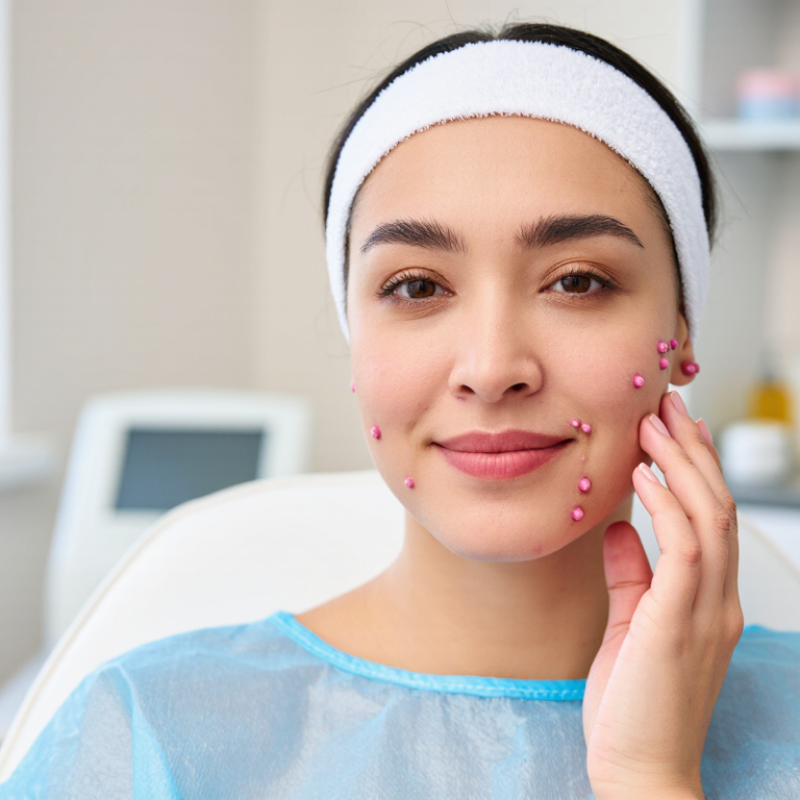
Breakouts after laser skin treatment can happen, but they are not inevitable. Depending on the procedure, laser energy heats the skin or removes tiny amounts of its surface. The temporary irritation can leave the skin more reactive while its barrier recovers. Redness and warmth are common early responses; acne-like bumps can have several causes. It varies.
Some bumps may come from temporary inflammation around hair follicles. Heavy ointments or makeup can trap oil and sweat, particularly when skin feels warm. Friction from a mask, touching tender areas, or changing products during recovery may also contribute. An existing tendency toward acne can become more noticeable. It is easy to blame the laser, but that may be too simple; timing alone does not reveal the cause.
Follow your clinician’s aftercare instructions, which depend on the laser used. Cleanse gently with lukewarm water and clean hands, and avoid scrubs or strong acne ingredients until your provider says they are safe. Don’t pick or squeeze bumps. Keep the routine simple while skin heals. If bumps worsen, become painful, or develop pus or blisters, contact your treatment provider rather than guessing or adding medication.
How to Prevent Breakouts After Laser Skin Treatment?
Your aftercare plan should match the laser used, your skin history, and the treatment area. Ablative and non-ablative procedures can require different cleansing and moisturizing routines. Ask your provider when to wash your face, restart makeup, and resume acne products. Keep those instructions handy. AAD estimates that acne affects up to 50 million people in the United States each year. This figure describes acne overall, not the rate of breakouts after laser treatment.
For the first days, use only the cleanser, moisturizer, and sunscreen your provider has cleared. Apply products with clean fingertips; avoid scrubbing, picking, or testing new acids and retinoids on tender skin. A small bump may not be acne. It could reflect irritation or another healing response, so do not treat it automatically with a spot product. That distinction is easy to overlook.
Follow your clinic’s timeline before restarting benzoyl peroxide, exfoliants, or prescription treatments. If bumps worsen, become painful, or appear with increasing warmth, swelling, or drainage, contact your treating clinician. Share a clear photo and note when symptoms began. If a step in your plan feels unclear, ask before changing it; recovery is not always perfectly predictable.
After laser treatment, skin may feel warm, tight, or unusually sensitive. Cleanse with lukewarm water and a mild, fragrance-free cleanser; use fingertips, not a rough cloth or cleansing brush. Pat dry with a clean towel. Scrubbing can irritate healing skin, and irritation may be mistaken for acne. Follow your provider’s aftercare instructions, since recovery differs between laser procedures.
Choose moisturizer and sunscreen labeled non-comedogenic, meaning they are formulated to be less likely to clog pores. The label is helpful, not a guarantee: your skin can still react. The American Academy of Dermatology reports that acne affects up to 50 million people in the United States each year. That figure is not specific to post-laser breakouts, but it highlights how common acne is. Avoid adding exfoliating acids, retinoids, or acne treatments until your clinician says your skin is ready.
After laser treatment, freshly treated skin can react to products that once felt harmless. Keep cleansing gentle, and pause retinoids, exfoliating acids, scrubs, and fragranced products until your treating clinician says they are safe. A soft towel is better than rubbing. Keep it simple. Overwashing may feel productive, but it can worsen irritation and make small bumps harder to interpret.
Heat and sunlight can add stress while skin heals. Skip hot showers, saunas, strenuous workouts, and steaming baths for the period your clinician recommends; warmth and sweat may aggravate redness. The American Academy of Dermatology recommends broad-spectrum sunscreen with SPF 30 or higher, but ask when sunscreen is appropriate for your specific procedure. Until then, use shade and a wide-brimmed hat. The FDA lists infection and pigment changes among recognized risks of laser skin resurfacing, so do not pick at bumps or cover worsening irritation with strong acne treatments. Even careful routines cannot prevent every breakout. Contact your clinician if bumps become painful, spread, or appear with increasing redness or discharge.
Avoid irritants, excess heat, and sun exposure while your skin recovers.
Sun protection matters: In ideal test conditions, SPF 15, 30, and 50 filter approximately 93.3%, 96.7%, and 98% of UVB rays, respectively. No sunscreen blocks all UVB. Once your clinician says your skin is ready for sunscreen, choose broad-spectrum SPF 30 or higher and follow their aftercare instructions. Avoid irritating active ingredients and excess heat until cleared; recovery guidance varies by treatment.
After laser skin treatment, a few small bumps may appear as the skin reacts to heat, swelling, or heavier recovery products. They can resemble acne, but appearance alone cannot confirm the cause. Keep the area clean and follow the clinic’s aftercare instructions. Avoid picking, scrubbing, or adding acne treatments unless your clinician approves them. Some active ingredients can irritate freshly treated skin.
Watch the pattern, not just one bump. Mild, stable spots may settle, but increasing redness, warmth, swelling, or tenderness deserves a call to the treating clinic. Pus, spreading redness, or worsening pain can signal infection or another complication. Take a clear photo in natural light and note when the bumps started; this can help your clinician assess changes. It is easy to overread every mark, though waiting too long can also be a mistake.
Contact your clinician promptly if bumps worsen, keep spreading, or do not begin improving within the timeframe they gave you. Seek urgent medical care for fever, severe pain, rapidly spreading redness, or eye symptoms after treatment near the eyes. Do not wait. If you are unsure, contact the clinic that performed the procedure rather than trying multiple products at home.
Yes, small acne-like bumps can appear, but they are not inevitable. It varies.
Temporary irritation around hair follicles may cause bumps. Heavy ointments, makeup, sweat, friction, or an existing tendency toward acne can also contribute. Timing alone can mislead.
Use lukewarm water and a mild, fragrance-free cleanser. Clean with your fingertips, then pat dry with a clean towel. Skip rough cloths and brushes.
Follow your clinician’s instructions. A plain routine may include an approved moisturizer and recommended sun protection; non-comedogenic labels are helpful, not a guarantee.
Avoid scrubs, exfoliating acids, retinoids, and acne treatments until your clinician says they are safe. Don’t pick or squeeze the bumps. Don’t guess.
Call if bumps worsen, spread, become painful, or develop pus or blisters. Increasing redness, warmth, swelling, or tenderness also deserves attention.
Seek urgent care for fever, severe pain, rapidly spreading redness, or eye symptoms after treatment near the eyes. It’s easy to overread a mark, but waiting too long can also be a mistake.
Breakouts after laser skin treatment can happen as the skin responds to heat, temporary inflammation, or changes in its protective barrier. If you’re wondering, “why am i breaking out after laser skin care,” the cause may also be related to products or habits that irritate freshly treated skin. Follow your provider’s personalized aftercare instructions, since the right routine can depend on the treatment and your skin’s needs.
Keep care simple: cleanse gently, avoid scrubbing or picking, and choose non-comedogenic products that are suitable for sensitive skin. Avoid potential irritants, excess heat, and direct sun exposure while your skin recovers, and use sun protection as advised by your provider. Contact your provider if breakouts are severe, worsening, painful, or accompanied by unusual swelling or signs of infection. They can help determine whether the reaction is part of recovery or needs further attention.
