Laser hair removal is often marketed as a lasting solution, but “lasting” does not always mean every treated hair disappears forever. If you are asking how long does laser hair removal last permanently, the honest answer depends on your hair, skin, treatment plan, and hormones. Laser energy targets pigment in actively growing follicles, so several sessions are usually needed. A small patch of regrowth may still appear later.
Board-certified dermatologist Dr. Michele Green’s guidance can be summarized this way: “Laser hair removal aims for long-term hair reduction, not a guarantee of lifelong smoothness.” That distinction matters. Many people see substantial, long-lasting reduction, while some need occasional maintenance sessions. Hair may also return after hormonal changes or in areas with hormonally influenced growth. Results vary.
Think of a treated area under bright bathroom light: it may look smooth for months, then a few fine hairs become visible. That does not automatically mean treatment failed. Hair grows in cycles, and individual responses differ. It is easy to expect a permanent, all-or-nothing result; real outcomes are less tidy. For a realistic estimate, ask a qualified medical professional to assess your skin tone, hair color, treatment area, and health history. This introduction sets up what to expect from leading laser hair removal options in 2026—and how to judge claims about lasting results carefully.
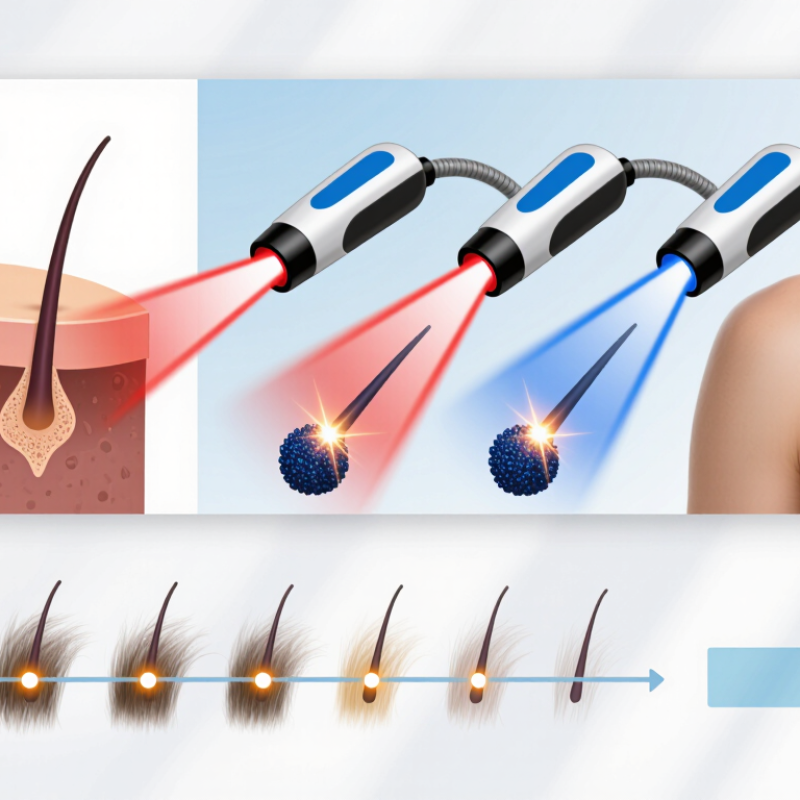
What Laser Hair Removal Does and How It Works
Laser hair removal uses concentrated light to target pigment in hair. The pigment absorbs light and converts it into heat, which can damage the follicle and slow future growth. Nearby skin is protected as much as possible by carefully chosen settings and cooling methods. It is not a way to remove every hair permanently.
Hair grows in cycles, and the laser works best when a hair is actively growing. A single appointment cannot catch every follicle at that stage. Several sessions, spaced weeks apart, are commonly needed; some people also choose occasional maintenance treatments. Dark, coarse hair often responds better than white, gray, red, or very light hair. Skin tone and hair contrast matter, too. Results vary.
A typical visit may involve protective eyewear, a small test area, and brief pulses that feel like warm pinches. Mild redness or swelling can follow and usually settles, but burns and changes in skin color are possible. A qualified provider should review your skin, medications, recent tanning, and health history before treatment. Ask how they adjust settings for your skin tone, and what symptoms warrant follow-up. The details matter. Expectations deserve a second look.
2026 Top Laser Hair Removal: How Long Does It Last?
What laser hair removal does and how it works: Laser energy targets pigment in the hair and heats the follicle to reduce future growth. Hair is most responsive during its active growth phase, so multiple sessions are usually needed.
Sessions are commonly spaced about 4–6 weeks apart, and many people need 2–6 treatments. The chart shows the approximate time from the first session to later sessions based on that interval; it is not a guarantee of results. Hair reduction varies by person and treatment area. Results may last for months or years, and some people need maintenance treatments.
How Hair Growth Cycles Affect Treatment Timing
2026 Top Laser Hair Removal: How Long Does It Last?
How Hair Growth Cycles Affect Treatment Timing
Laser hair removal works best when hair is actively growing, a phase called anagen. Not every follicle enters this phase at the same time. A session therefore treats only some visible hairs; others may be too early in their cycle. Timing matters. This is why one appointment rarely gives lasting, even reduction.
The American Academy of Dermatology (AAD) says most patients need two to six treatments, usually spaced four to six weeks apart. Its guidance estimates a 10% to 25% reduction after the first session. These are general figures, not a personal forecast. Hair color, treatment area, skin tone, and hormonal factors can all affect results and scheduling.
Your clinician may adjust intervals as regrowth appears. Facial hair often needs closer monitoring than hair on the legs, but plans vary. Real schedules are less tidy. A missed appointment does not mean starting over, though it may delay coverage of newly active follicles. After a course, results can last months or years, yet some regrowth and occasional maintenance treatments are possible. Ask a qualified provider to assess your skin and hair, and follow their advice on safe session timing.
2026 Top Laser Hair Removal How Long Does It Last? - How Hair Growth Cycles Affect Treatment Timing
| Topic |
Typical timing or duration |
Why it matters |
| Anagen (active growth) |
Varies considerably by body area; scalp hair may remain in this phase for years. |
Laser energy is generally most effective when a hair is actively growing and connected to its follicle. Not all hairs are in this phase at once. |
| Catagen (transition) |
A brief transition phase; its length differs by body area. |
The hair separates from its growth structures, making treatment less likely to affect it as effectively as an actively growing hair. |
| Telogen (resting and shedding) |
Duration varies by body area; scalp hair commonly rests for a few months. |
A resting hair may not respond as well to a session, so later appointments help address hairs as they enter active growth. |
| Typical appointment spacing |
Often about 4–6 weeks for the face and 6–8 weeks for many body areas; schedules vary. |
Spacing is planned to catch new groups of hairs in a treatable growth phase. Follow the schedule recommended by a qualified practitioner. |
| Initial treatment course |
Many people need a series of sessions, commonly around 6 or more, adjusted for the area and individual response. |
Because follicles cycle independently, one session cannot treat every hair at its most responsive stage. |
| How long results last |
Hair reduction can last for months or years after a completed course; results and duration differ from person to person. |
Laser treatment is generally described as long-term hair reduction, not guaranteed permanent removal. Some regrowth may occur, and occasional maintenance sessions may help. |
| Factors that affect outcomes |
Treatment area, hair color and thickness, skin tone, device settings, hormones, and individual hair-growth patterns. |
A consultation can help set realistic expectations and an appropriate schedule. Darker, coarser hair often responds better than very light, gray, white, or red hair. |
Timing and results are individual. A qualified healthcare professional should assess suitability, skin and hair characteristics, and any relevant medical or medication-related risks before treatment.
How Long Results Typically Last After a Treatment Course
After a complete laser hair removal course, many people enjoy noticeably less hair for months or years. The result is usually long-term hair reduction, not a promise that every treated follicle will stay inactive forever. Hair grows in cycles, so several sessions are needed to treat follicles at different stages. Even then, some hairs may remain. It varies.
Over time, regrowth is often finer, lighter, or more sparse. A few maintenance sessions may help, especially on areas affected by hormonal changes, such as the face or chin. The timing differs from person to person; some return after a year, while others wait longer. Skin tone, hair color, treatment area, and the settings used can all influence results. Darker, coarse hairs often respond better than very light hairs. That detail can be disappointing if expectations were too fixed.
A practical way to judge progress is to compare hair growth in the same area several months after the final session. Take note of how quickly it returns and whether the texture has changed. Ask a qualified provider what maintenance may be appropriate for your skin and hair. Results are personal, and a precise end date is hard to predict.
Factors That Influence Long-Term Hair Reduction
2026 Top Laser Hair Removal: How Long Does It Last?
Factors That Influence Long-Term Hair Reduction
Long-term hair reduction depends on more than the device. Hair pigment, skin tone, treatment area, hormones, and session timing all matter. The American Academy of Dermatology advises that most patients need two to six treatments. Hair grows in cycles, so a session can miss follicles that are resting. That is why results build gradually.
Hair color is a major factor: laser energy targets pigment, so dark, coarse hairs often respond better than fine, light hairs. Skin tone also affects which settings are appropriate; experienced clinicians adjust them to reduce risks such as burns or pigment changes. Hormonal conditions may trigger new growth, especially around the face. A 2006 review in Dermatologic Surgery found that long-term results varied across laser types and studies. “Permanent hair reduction” means lasting reduction, not a promise that every hair will disappear. Some regrowth is normal.
Tips: Keep appointments spaced as advised, and take clear photos between sessions. Tell your clinician about medications, skin changes, or new growth. Avoid tanning before treatment, and ask what maintenance may be needed for your treatment area. Small differences in timing can matter.
When Regrowth May Occur and How Maintenance Helps
2026 Top Laser Hair Removal: How Long Does It Last?
Laser hair removal can keep treated areas smoother for months or years, but results vary. It reduces active follicles; it does not guarantee every hair is gone forever. Hair grows in cycles, so several appointments are usually needed to treat follicles at different stages. A missed session can leave some hairs untouched.
Regrowth may appear as fine, sparse hairs rather than the original dense growth. Hormonal changes, including pregnancy or certain health conditions, can stimulate new growth. Hair color, skin tone, treatment area, and device settings also affect results. It varies. After treatment, note where and when hairs return. A few dark hairs on the chin, for example, may need a different schedule than soft leg regrowth.
Maintenance sessions can target returning hairs and help preserve reduction. The interval is personal; some people need touch-ups after several months, while others go much longer. Ask a qualified provider to assess your skin and hair, explain expected outcomes, and recommend a safe schedule. Avoid booking extra sessions simply because a few hairs appear. That matters. I would not treat a calendar estimate as a promise; real regrowth can be uneven, and progress deserves a careful review.
Conclusion
Laser hair removal works by directing light energy toward pigment in the hair, where it can damage follicles and slow future growth. Because hair grows in different cycles, a series of treatments spaced over time is usually needed to target hairs when they are actively growing. The number and timing of sessions vary, and results develop gradually rather than all at once.
How long does laser hair removal last permanently? The treatment can provide long-lasting hair reduction, but it cannot guarantee that every treated hair will be gone forever. Results depend on factors such as hair and skin characteristics, the treatment area, and individual responses. Some people may notice fine or sparse regrowth months or years later, while hormonal changes can also affect growth. Occasional maintenance sessions may help manage regrowth and preserve smoother results over time.

 Monae Beauty