Can you get a tattoo over a lasered area? In many cases, it may be possible, but the answer depends on the laser treatment and how your skin has healed. Laser exposure can leave redness, tenderness, uneven pigment, or changes in skin texture. These effects may not be obvious under ordinary room lighting. A smooth-looking surface does not always mean the deeper skin has fully recovered. Looks healed? Not always.
If the laser was used to remove a tattoo, the treated area may need time to settle before it is tattooed again. There is no single waiting period that fits everyone. The number of sessions, treatment intensity, and your healing response all matter. Avoid tattooing skin that is still sore, scabbed, swollen, or changing in color. Ask the clinician who performed the laser treatment to assess the area, and discuss the plan with an experienced tattoo artist. A dermatologist can help if you notice persistent texture changes, unusual discoloration, or lingering irritation. Their advice is especially useful when the skin has formed raised or uneven scars.
A new tattoo places fresh pigment into the skin, so rushing can affect both healing and the final appearance. The design may also need adjustment if the treated skin is uneven. Be patient, even if the area looks ready. A careful assessment now can prevent a disappointing result later.
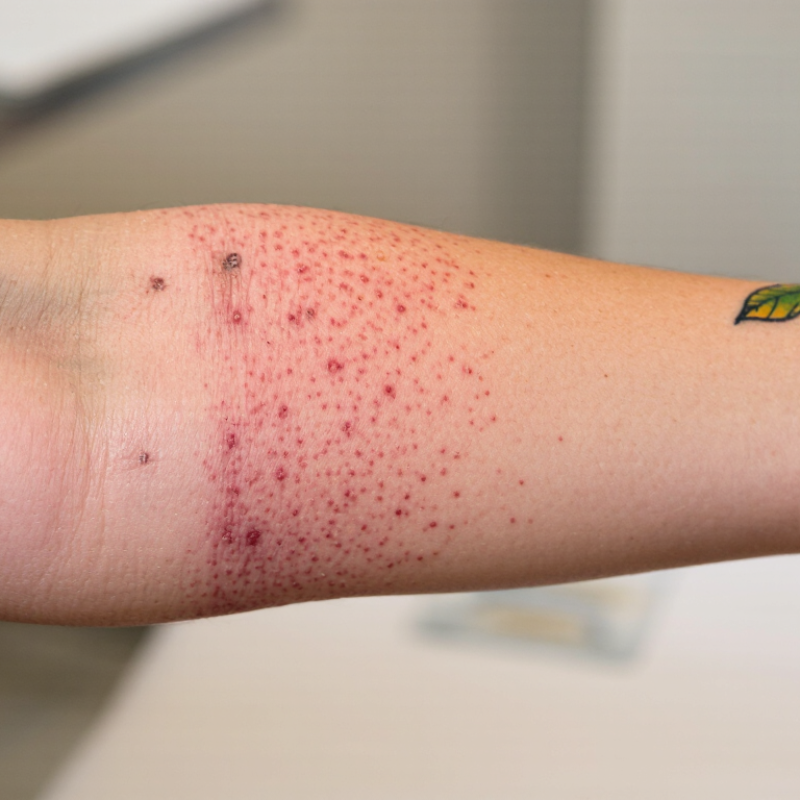
Laser tattoo removal does more than fade ink; it briefly injures skin to break pigment into smaller fragments. Immune cells gradually clear some of that debris. Redness, swelling, pinpoint bleeding, blisters, or crusts may appear during healing. The surface can look calm before deeper repair is complete. Color changes or uneven texture may persist, particularly after repeated sessions or aggressive settings. Scarring is possible, though not inevitable.
The American Academy of Dermatology advises that most tattoos need six or more laser sessions, typically spaced six to eight weeks apart. That schedule allows time for gradual ink clearance and skin recovery; it does not guarantee unchanged skin. Wait until the treated site is fully healed, without scabs, tenderness, or active redness, before considering new tattooing. There is no single safe waiting period for everyone. Pigment depth, skin tone, laser settings, and previous scarring all matter. If the area still looks or feels different, ask a board-certified dermatologist to assess it first.
Tips: Photograph the area weekly in consistent daylight. Do not pick blisters or crusts. Follow your clinician’s aftercare instructions, including sun protection. Even healed skin may respond differently to fresh ink. A small test area may offer useful information, but it cannot predict the final result.
A tattoo over a laser-treated area should wait until the skin has fully recovered—not just until the surface looks calm. The U.S. Food and Drug Administration notes that laser tattoo removal often takes multiple sessions, commonly spaced six to eight weeks apart. That interval separates treatments; it is not a guaranteed clearance date for new tattooing. Check for intact skin with no scabs, blisters, open spots, persistent redness, warmth, swelling, or tenderness. A smooth, pale patch can still be healing underneath. That matters.
Look closely in natural light, then compare the area over several days. Color changes, raised texture, or lingering sensitivity deserve a clinician’s review, especially if the treated patch was large or healing was slow. A dermatologist can assess scarring or pigment changes and advise whether the skin is ready. There is no universal waiting period supported for tattooing after removal, so avoid relying on a calendar alone.
Tips: Don’t scratch peeling skin or test it with a needle. Take clear photos weekly; they can reveal changes you might miss day to day. If the area still feels tight, looks shiny, or reacts when clothing rubs it, wait and seek medical advice. Healing can be uneven. I’d rather be cautious than guess.
An area treated with laser should not be tattooed just because the surface looks calm. Healing time depends on the laser type, treatment depth, settings, and your skin’s response. Wait until blisters, crusts, and scabs are gone, and the skin is closed and comfortable. No tenderness. No warmth. Ongoing redness, swelling, raised areas, or unusual light or dark patches should be checked by a medical professional before tattooing.
There is no reliable waiting period that suits everyone. Some people need several weeks; others may need months, especially after stronger treatments or slow healing. A dermatologist or clinician familiar with your laser treatment can assess the area and advise you. If the skin still feels tight or looks shiny, delay. Appearance alone can mislead, and I know waiting can be frustrating.
Tips: Take weekly photos in the same light, and note any itching, pain, or color changes. Don’t pick healing skin or tattoo over an open spot or active rash. If you’re unsure, wait and get the area checked.
| Factor | Not Ready for Tattooing | Potential Sign of Readiness | Practical Next Step |
|---|---|---|---|
| Type of laser treatment | The skin is still recovering from laser tattoo removal, resurfacing, or another treatment. | The treatment course is complete and the skin has fully recovered. | Confirm with the clinician who performed the laser treatment. Advice depends on the laser type, treatment depth, and reason for treatment. |
| Skin surface | There are blisters, scabs, open areas, peeling, or broken skin. | The skin is intact, with no scabs, wounds, or ongoing peeling. | Wait until the surface is completely healed; tattooing through injured skin can increase the risk of complications. |
| Redness, swelling, or tenderness | The area remains warm, swollen, painful, or noticeably red. | Inflammation and tenderness have settled and the skin feels comfortable. | Do not tattoo an area with persistent or worsening symptoms. Seek medical advice if symptoms concern you. |
| Skin color and texture | There are changing patches of light or dark skin, firm areas, or raised scars. | Color and texture are stable, and any scarring has been assessed. | Ask a dermatologist or laser-treatment clinician to assess lasting pigment changes or scar tissue before booking. |
| Time since the last session | Only a short time has passed, or the area is still changing as it heals. | The area has remained fully healed and stable for a period recommended by the treating clinician. | There is no single waiting period suitable for everyone. After laser tattoo removal, clinicians may recommend waiting several months after the final session, depending on healing and treatment response. |
| Possible infection | There is spreading redness, increasing pain, pus, or fever. | There are no signs of infection and any previous problem has been medically resolved. | Do not tattoo over a potentially infected area. Contact a healthcare professional promptly for assessment. |
| Laser hair removal only | The skin is irritated or has not recovered from the most recent hair-removal session. | The skin has returned to its usual, healthy condition. | Laser hair removal is different from laser tattoo removal. Ask the treating provider how long to wait based on the device, settings, and skin reaction. |
| Final clearance | You are unsure whether the area is healed, or the laser provider has not assessed it. | The treating clinician considers the skin healed enough for tattooing. | Get individualized clearance before tattooing, and tell the tattoo artist about the laser treatment and any changes to the skin. |
Important: A lasered area may be tattooable once it is fully healed and stable, but timing varies. This table is general information, not a diagnosis or a substitute for advice from a qualified healthcare professional.
Laser-treated skin may look smooth while remaining more sensitive or uneven beneath the surface. Laser energy can alter pigment and, in some cases, leave texture changes or scars. A new tattoo adds needle trauma and fresh pigment to that area. If the skin has not fully recovered, healing may be slower, ink may settle unevenly, and irritation or infection may be harder to distinguish from an existing reaction. A flat, pale patch is not proof that the skin is ready.
The U.S. Food and Drug Administration notes that tattoo removal commonly takes multiple laser sessions, spaced several weeks apart, and can cause scarring or changes in skin color. That matters. Repeated treatment and healing can vary with ink color, depth, skin tone, and the laser used. There is no single safe waiting period for every person or treated area. A dermatologist or experienced medical professional can assess the skin for tenderness, raised areas, persistent redness, or pigment loss before tattooing. Bring details about the laser treatment if available; they can help guide that assessment. It is tempting to judge by appearance alone, but that can be misleading. If the area still feels tight, itchy, or unusually shiny, pause and seek advice rather than cover it.
Factors That Affect Tattooing and Healing Outcomes
A tattoo may be possible over previously lasered skin, but the area needs careful assessment. Laser settings, treatment depth, and the number of sessions can affect skin texture and pigment. Some people notice lingering light or dark patches; others develop raised or sensitive scars. A smooth surface does not always mean the skin has fully recovered. There is no universal waiting period, so ask a dermatologist and an experienced tattoo artist to examine the area before booking.
Tips: Wait until redness, tenderness, peeling, and scabbing have stopped. Share your laser treatment history, including dates and any changes you noticed. Ask whether a small test tattoo is appropriate, especially if the skin feels tight or looks uneven.
Tattoo ink may heal differently on scarred or pigment-altered skin, and the final color can be less predictable. Healing also depends on the tattoo’s size and placement, your skin’s response, and following clear aftercare instructions. Keep the area out of direct sun while it heals, and avoid tattooing over irritation or an open wound. If you are unsure, postponing is frustrating—but safer than rushing. Get medical advice for persistent pain, swelling, or skin changes.
It may be possible, but the skin should be fully healed first. A dermatologist and an experienced tattoo artist can assess the area. I’d rather not guess.
Look for intact skin without scabs, blisters, open spots, redness, warmth, swelling, or tenderness. Check it in natural daylight. A calm surface can still be healing underneath.
There is no universal waiting period. Laser sessions are often spaced six to eight weeks apart, but that interval does not set a safe date for new tattooing.
Notice lingering light or dark patches, raised texture, tightness, or sensitivity. Take a clear photo each week in similar daylight. Small changes can be easy to miss.
Yes. Scarred or pigment-altered skin may heal unevenly, and the final color can be less predictable. The result is not always what you expect.
Ask your clinician and tattoo artist whether a test area makes sense. It may offer useful information, but it cannot predict the final result.
Don’t pick blisters or crusts, scratch peeling skin, or tattoo over irritation or an open wound. Follow your clinician’s aftercare instructions and protect the area from direct sun.
Ask a dermatologist if redness, tenderness, or unusual texture persists. Get advice for ongoing pain or swelling, too. Waiting can be frustrating. Still, rushing may not help.
Can you get a tattoo over a lasered area? In many cases, it may be possible, but the skin needs time to recover fully. Laser treatment can temporarily affect the skin’s surface and deeper layers, causing redness, sensitivity, dryness, or changes in texture and pigmentation. Before considering a tattoo, look for signs of complete healing: the skin should be intact, comfortable, and free of scabs, swelling, irritation, or open areas. A smooth appearance alone does not always mean the skin has finished recovering.
Tattooing too soon may increase the risk of prolonged irritation, uneven ink appearance, scarring, or delayed healing. The right waiting period varies according to the laser treatment, the area treated, the skin’s condition, and individual healing factors. Existing scars, pigment changes, skin sensitivity, and aftercare habits can also affect the outcome. If there is any uncertainty, consult a qualified healthcare professional familiar with the treatment and wait until the area has been assessed as fully healed before proceeding.
